Lightweight blower for someone with shoulder issues
A lightweight blower can reduce shoulder strain, but the listed weight is only part of the decision. Balance, battery placement, trigger effort, tube design, and how long you need to work matter just as much.
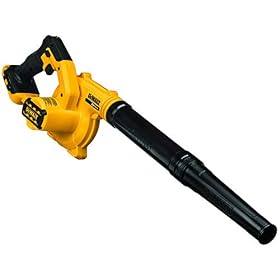
A lightweight blower can be easier on a painful shoulder, but the lightest number on the box is not the whole story. Look for a blower that is easy to control with one hand, keeps its weight close to your body, requires little trigger pressure, and is powerful enough to finish the job quickly. For many homeowners, a compact cordless model is the most convenient choice; a corded model can be lighter, while a gas blower may be less suitable because of its vibration, fuel, and starting effort.
What to look for first
Low overall weight
Compare the blower's ready-to-use weight, not just the bare-tool weight. A cordless blower's working weight includes the battery, and larger batteries can add noticeable weight. If the manufacturer lists multiple configurations, check the weight with the battery installed.
A slightly heavier blower may still feel easier if it is well balanced. Hold the tool by its normal grip, if possible, and consider whether the motor or battery pulls your wrist and shoulder forward. A top-heavy tool can become tiring quickly even when its listed weight looks low.
Good balance and a comfortable grip
The handle should let you keep your wrist fairly straight rather than forcing it to bend upward or sideways. A rubberized or textured grip can reduce the effort needed to keep control, especially when wearing gloves.
Look for:
A motor and battery position that does not make the nose feel heavy
A handle that fits your hand without excessive squeezing
A trigger or variable-speed control that does not require constant force
A lock-on or cruise-control feature, if offered and appropriate for the model
A tube that points naturally where you want the air to go
A lock-on feature can reduce finger fatigue, but it does not eliminate the need to control the blower. Use it only as directed by the manufacturer and keep both hands available when the tool or conditions require extra control.
Enough power without unnecessary bulk
Higher airflow can move leaves faster, but maximum output is not always useful for a person trying to minimize strain. A very powerful blower may be heavier, louder, and harder to control.
CFM describes the volume of air the blower moves. MPH describes the air speed at the outlet. CFM is useful for moving larger piles, while air speed can help with wet leaves or debris stuck in grass. Published figures may vary depending on the tube, operating mode, and test method, so avoid comparing one number in isolation.
For a small paved area, porch, or light leaf cleanup, a compact blower with moderate output may be easier to handle. For a larger yard or wet, matted leaves, choose enough airflow to avoid repeatedly working the same area. Finishing faster can reduce total shoulder time, but only if you can safely control the tool.
Cordless versus corded for shoulder comfort
Cordless blowers
Cordless models are usually easier to use around a yard because there is no power cord to drag, reposition, or accidentally snag. They also start with the press of a control and generally require less maintenance than gas equipment.
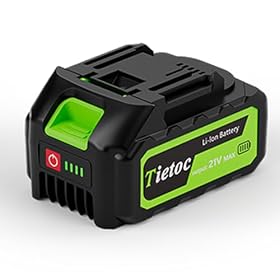
The tradeoff is battery weight. Check the blower's battery platform and the size of battery recommended for the work. A compact battery may reduce weight but provide less runtime. A larger battery may last longer but make the blower noticeably heavier.
Choose cordless when portability and freedom of movement are more important than the lowest possible tool weight. If you already own compatible batteries, make sure the resulting ready-to-use weight still feels manageable.
Corded electric blowers
A corded blower can be relatively light because it does not carry a battery. That may help if you are working close to an outdoor outlet and have a small area to clear.
The cord is the main drawback. You must manage it while walking, turning, and working around shrubs or furniture. Use only an outdoor-rated extension cord of the type and size specified in the blower's instructions. Keep the cord away from water, cutting edges, hot surfaces, and the blower's air path. If cord management causes awkward reaching or twisting, the lower tool weight may not be worth it.
Gas blowers
Gas models can provide strong output and long work periods, but they are often a poor fit when shoulder comfort is the priority. They may be heavier, vibrate more, and require pulling a starter, carrying fuel, and maintaining the engine. Consider one only if the work demands its capabilities and you can handle the equipment comfortably and safely.
Product prices and availability are accurate as of the date/time indicated and are subject to change. Any price and availability information displayed on Amazon.com at the time of purchase will apply to the purchase of this product.
Features that can reduce strain
Variable-speed control
Variable speed lets you use only the airflow needed for the task. Lower settings can make the blower easier to control and reduce the tendency of the air stream to push your arm backward. Higher settings can be reserved for wet leaves or larger piles.
Adjustable or removable tubes
A tube that is too long or points at an awkward angle can make you lift or twist your shoulder. An adjustable tube may help you direct the airflow while keeping your elbow closer to your body. A narrow nozzle can increase the concentration of the air stream, but it may also make the tool feel more forceful and less forgiving.
Shoulder straps and harnesses
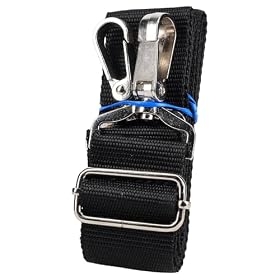
Some blowers accept a shoulder strap or harness. These accessories can transfer some of the load away from your hand, but they do not automatically make a tool suitable for a painful shoulder. A strap that crosses the affected area, pulls unevenly, or makes it harder to release the tool may make things worse.
Only use an accessory that the manufacturer approves for that blower. Adjust it so the tool remains controlled and can be released quickly if necessary.
Vibration and noise
Vibration can contribute to fatigue even when the blower is light. Look for manufacturer information about vibration and use hearing protection where required by the instructions or appropriate for the noise level. Avoid assuming that a quieter or smoother-sounding model has a particular certified specification unless the manufacturer provides it.
Product prices and availability are accurate as of the date/time indicated and are subject to change. Any price and availability information displayed on Amazon.com at the time of purchase will apply to the purchase of this product.
How to use a blower with less shoulder strain
Clear a small section at a time. Short work periods are usually easier than trying to finish the entire yard in one session.
Keep the elbow near your body. Let the tool point forward from your side instead of holding it at shoulder height.
Use both hands when needed. Two-handed control may be safer for wet leaves, higher power settings, or uneven ground.
Let the air do the work. Aim low and move debris gradually rather than sweeping aggressively with your arm.
Avoid overhead use. Do not raise the blower above shoulder level to reach leaves in trees, gutters, or roofs.
Take breaks before pain increases. Stop if you feel sharp pain, numbness, weakness, or worsening symptoms.
A leaf blower is not a substitute for medical advice. If a shoulder condition limits lifting or repetitive movement, ask a qualified healthcare professional what level of activity is appropriate.
Product prices and availability are accurate as of the date/time indicated and are subject to change. Any price and availability information displayed on Amazon.com at the time of purchase will apply to the purchase of this product.
Choosing the right type for common jobs
Small patio, walkway, or porch
Prioritize low ready-to-use weight, easy controls, and compact handling. A small cordless blower or light corded model may be sufficient. Maximum airflow is usually less important than balance and convenience.
Small to medium yard
A compact cordless blower with variable speed is often a practical compromise. Choose a battery that provides enough runtime without adding more weight than you can comfortably carry. If the yard is close to an outlet, corded operation may also work.
Large yard or heavy wet leaves
You may need more airflow, but do not choose solely by the largest advertised output. Consider whether the heavier tool, larger battery, or increased reaction force will aggravate your shoulder. For substantial cleanup, hiring help or dividing the work over several sessions may be more sensible than buying an overly powerful blower.
Product prices and availability are accurate as of the date/time indicated and are subject to change. Any price and availability information displayed on Amazon.com at the time of purchase will apply to the purchase of this product.
When a different tool may be better
If directing a blower causes pain, a lightweight rake, push broom, or wheeled outdoor sweeper may reduce the need to hold a motorized tool. A blower-vacuum can collect debris, but its bag and collection tube add weight and may require more frequent handling. For shoulder problems, simpler equipment can be the better choice even if it takes longer.
Bottom line
Choose a blower by its ready-to-use weight, balance, grip, trigger effort, and required work time—not by bare-tool weight alone. A compact cordless model is often the easiest all-around option, while a corded model may be lighter for small areas near an outlet. Use the lowest effective power, keep the tool below shoulder height, work in short sessions, and stop if symptoms worsen. If no blower feels comfortable, a manual tool or professional yard service may be the safer solution.
FAQ
What is the best type of leaf blower for someone with shoulder pain?
A compact cordless or corded electric blower is often easier to manage than a gas model, but comfort depends on ready-to-use weight, balance, grip, trigger effort, and work duration. Try to handle the blower with its battery installed before buying when possible.
Does a higher CFM make a leaf blower harder on the shoulder?
Not necessarily, but higher airflow can increase the force you must control and may come with a larger motor or battery. Choose enough CFM for the debris and surface rather than automatically choosing the highest output.
Are corded leaf blowers lighter than cordless models?
They can be, because they do not carry a battery. However, managing an extension cord can cause awkward reaching or twisting. A corded model is most practical when the work area is small and close to a suitable outdoor outlet.
Can a shoulder strap make a leaf blower easier to use?
A manufacturer-approved strap can help distribute the load, but it may not suit every shoulder condition. It should not restrict movement or make it difficult to release the tool, and it should be adjusted according to the instructions.
When should I choose a manual rake instead of a leaf blower?
Choose a rake or push broom if holding a blower causes pain, if vibration is uncomfortable, or if cord and battery weight create more strain than the clearing task itself. If shoulder symptoms include weakness, numbness, or sharp pain, stop and seek appropriate medical guidance.