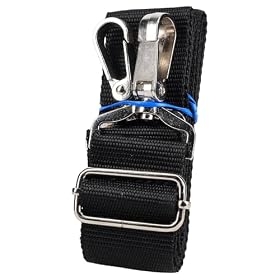
A shoulder-strap handheld leaf blower is lighter and easier to store, while a true backpack usually offers better support and sustained power for larger properties. Here is how to choose between them.
A shoulder-strap handheld leaf blower can be a useful middle ground, but it does not provide the same weight distribution or working comfort as a true backpack. Choose the shoulder-strap style for smaller jobs, tighter spaces, and easier storage. Choose a true backpack when you regularly clear a large yard, wet leaves, long driveways, or extended rows of landscaping.
The basic difference
A shoulder-strap handheld blower remains a handheld machine. The strap supports some of the tool's weight, but your arm still controls the blower and absorbs much of the vibration and reaction force.
A true backpack blower places the motor and battery or fuel system on a harness against your back. You guide a separate tube with one hand, which generally reduces hand and wrist fatigue during long sessions.
The exact balance depends on the blower's weight, tube design, battery size, engine type, and harness quality. A strap can improve a handheld blower, but it does not turn it into a backpack blower.
Shoulder-strap handheld: where it makes sense
A shoulder-strap handheld is usually the better fit when you want a relatively compact tool for routine cleanup.
Advantages
Lower storage demands: It takes up less room than a backpack blower and is often easier to hang or place on a shelf.
Better maneuverability: The shorter, handheld format is convenient around patios, steps, garden beds, vehicles, and fences.
Simpler sharing: Different users can pick it up without adjusting a full harness system.
Lower commitment: It can be a practical choice when a backpack's capacity and endurance would be unnecessary.
Good visibility and control for detail work: You can quickly change direction and angle the nozzle around obstacles.
Limitations
The arm still carries the working load: The strap may reduce some grip pressure, but it does not remove wrist, elbow, or shoulder fatigue.
Less comfortable for long sessions: Repeatedly clearing a large property can make the handheld format tiring.
More noticeable reaction force: Higher-airflow blowers can push against your hand and forearm, especially at full power.
Battery weight remains in the tool: On cordless models, a larger battery can make the handheld unit feel heavier even when it improves runtime.
A shoulder strap is most useful when the blower is moderately light and the cleanup job is short enough that you will not spend the entire session carrying it.
Product prices and availability are accurate as of the date/time indicated and are subject to change. Any price and availability information displayed on Amazon.com at the time of purchase will apply to the purchase of this product.
True backpack: where it makes sense
A true backpack blower is usually the better choice for larger yards, long driveways, extensive leaf coverage, or frequent cleanup work.
Advantages
Better weight distribution: The harness transfers much of the machine's weight to your torso and hips instead of your hands.
Less arm fatigue: Your hand mainly controls the tube rather than supporting the motor and battery or fuel tank.
More suitable for sustained work: The format is designed for longer clearing sessions.
Greater high-output potential: Backpack models commonly accommodate larger power systems, although actual performance varies by model.
More consistent control over broad areas: The separate tube lets you sweep leaves without repeatedly repositioning a heavy handheld body.
Limitations
More storage space: The harness and rear-mounted power unit take up more room.
More setup: Adjusting the straps, waist belt, and controls can take longer than picking up a handheld blower.
Less convenient in tight spaces: A larger rear unit can be awkward around narrow gates, dense plantings, cars, or low branches.
Higher total weight: Even when the weight is better distributed, you are still carrying a larger machine.
Potentially more noise and exhaust: Gas-powered backpack blowers require fuel and produce exhaust. Follow local rules and the manufacturer's operating instructions.
A backpack is not automatically the right choice just because it has higher advertised airflow. Its main advantage is often sustained control and comfort, not merely peak output.
Product prices and availability are accurate as of the date/time indicated and are subject to change. Any price and availability information displayed on Amazon.com at the time of purchase will apply to the purchase of this product.
Compare CFM and MPH carefully
CFM measures the volume of air the blower moves. MPH measures air speed. Both figures matter, but they describe different parts of performance.
Higher CFM generally helps move larger piles and clear a wider area efficiently.
Higher MPH can help break loose stuck leaves and clear debris from cracks or rough surfaces.
Nozzle design affects how the air reaches the ground and how controllable the stream feels.
Operating mode matters: A manufacturer's maximum figure may apply only at a particular nozzle, power setting, battery condition, or test configuration.
For a small yard with dry leaves, a compact handheld may provide enough performance. For wet leaves, thick piles, or a large property, prioritize usable airflow and endurance rather than comparing one headline number in isolation.
Product prices and availability are accurate as of the date/time indicated and are subject to change. Any price and availability information displayed on Amazon.com at the time of purchase will apply to the purchase of this product.
Which is better for cordless use?
Cordless power makes both formats convenient, but the tradeoff is runtime. A handheld blower may be easier to carry at first, while a larger battery can add noticeable weight. A backpack system may distribute that battery weight more comfortably, but its replacement batteries and chargers may be more specialized or expensive depending on the platform.
Before choosing, check:
Whether the battery is included or sold separately.
The battery voltage and compatibility with tools you already own.
Manufacturer runtime information and the power setting used for that estimate.
Whether replacement batteries are readily available.
Charging time and whether a second battery is practical for your yard.
The blower's weight with the battery installed, not just the bare-tool weight.
If your cleanup normally takes only a few minutes, maximum runtime may not justify the bulk of a backpack system. If you work until the job is finished rather than by a short timed session, a spare battery or a larger backpack platform may be more useful.
Which is better for gas use?
Gas-powered backpack blowers are commonly chosen for long work periods and large areas because refueling can be faster than waiting for a battery to charge. They also require more maintenance, including fuel handling, seasonal storage, and attention to starting procedures.
Use fuel only as specified by the manufacturer. Never operate a gas blower in an enclosed space, and allow the engine to cool before refueling or storing it. Local noise and emissions restrictions may also affect whether a gas model is practical or permitted.
Choose by yard and job type
Small yard or occasional cleanup
A shoulder-strap handheld is usually the more practical choice. It is easier to store, quick to grab, and better suited to patios, sidewalks, driveways, and a modest amount of leaves.
Medium yard with several mature trees
Either format can work. Choose a handheld if cleanup is divided into short sessions and storage is important. Choose a backpack if you routinely clear the entire property in one session or find handheld weight tiring.
Large property or long driveway
A true backpack is generally the better fit. Its harness and separate tube are more useful when the blower runs for a long time or must move large amounts of leaves.
Wet leaves and heavy debris
Favor a model with strong usable airflow and enough runtime for the whole job. A backpack may be more comfortable under these conditions, but check the actual specifications and your local operating restrictions rather than assuming all backpacks outperform all handhelds.
Tight landscaping and detailed cleanup
A handheld is often easier to maneuver around beds, stairs, vehicles, and narrow paths. A backpack can still work, but the rear housing may be inconvenient in confined areas.
Comfort and fit details that matter
For a shoulder-strap handheld, look for an adjustable strap that keeps the tool from pulling away from your body. The handle should allow a neutral wrist position, and the controls should be reachable without shifting your grip.
For a backpack, inspect the harness adjustment range, padding, waist-belt design, tube handle, and control placement. The blower should sit securely without forcing you to lean backward. Adjust the harness before starting work, and stop if you develop numbness, pain, or unusual fatigue.
Hearing protection and eye protection are appropriate for either type. Keep bystanders away from the work area, and avoid directing air toward people, pets, open doors, or loose gravel.
Bottom line
Choose a shoulder-strap handheld if you prioritize compact storage, quick handling, and cleanup in a small or moderately sized area. Choose a true backpack if you prioritize reduced hand fatigue, longer work sessions, and moving leaves across a large property.
The most important comparison is not just CFM or MPH. Consider the blower's weight in working configuration, battery or fuel endurance, harness fit, noise, maneuverability, and the length of your typical cleanup session. If your current handheld becomes uncomfortable before the job is complete, a properly fitted backpack is likely the more meaningful upgrade than simply buying a handheld with a stronger motor.
FAQ
Is a shoulder-strap leaf blower the same as a backpack blower?
No. A shoulder strap supports part of a handheld blower's weight, but your arm still carries and controls the machine. A true backpack places the power unit on a harness and uses a separate tube.
Are backpack leaf blowers more powerful than handheld models?
Many backpack models are designed for higher sustained output, but not every backpack outperforms every handheld. Compare usable CFM, MPH, nozzle configuration, runtime, and operating mode rather than relying on the body style alone.
Which type is better for a small yard?
A shoulder-strap handheld is usually more convenient for a small yard because it takes less storage space, is easier to maneuver, and does not require a full harness setup.
Which type causes less arm fatigue?
A true backpack generally causes less arm fatigue during extended work because the harness supports the motor and power source. A shoulder strap can help, but it does not remove the need to carry the blower with your arm.
Should I choose a cordless or gas backpack blower?
Choose based on runtime, charging access, maintenance, noise, local restrictions, and whether you already own compatible batteries. Cordless models simplify starting and reduce fuel handling; gas models may suit long sessions where quick refueling is important.