Variable-speed cordless blower for dust-off after mowing
A variable-speed cordless blower gives you better control than a single-speed model when clearing grass clippings from sidewalks, driveways, patios, and mower decks. Focus on usable low-speed control, airflow, battery compatibility, and comfort—not just the highest advertised air speed.
Variable-speed cordless blower for dust-off after mowing
A variable-speed cordless blower is a good fit for clearing fresh grass clippings and light dust after mowing, especially when you need to work around flower beds, mulch, vehicles, or outdoor furniture. For this job, controllable airflow and comfortable handling usually matter more than maximum power.
What to look for
Variable-speed control
A variable-speed trigger or dial lets you reduce airflow for precise cleanup and increase it for heavier clippings. Low speed is useful near:
Mulch, gravel, and loose soil
Flower beds and garden borders
Porches, screens, and outdoor furniture
Vehicles where you want to avoid scattering debris
A trigger lock or cruise-control feature can reduce hand fatigue during larger cleanup jobs. Check whether the control allows continuous adjustment or only offers a few preset speeds.
Air speed and CFM
Air speed, usually listed in miles per hour, describes how quickly air exits the tube. CFM describes the volume of air moved. Both affect performance, but they are not interchangeable.
For grass clippings on hard surfaces, a blower with moderate airflow and good low-speed control may be easier to use than an aggressively powered model. Higher airflow is more helpful when clippings are wet, thick, or spread across a larger area. Compare specifications measured under similar conditions because manufacturers may present air speed and airflow differently.
Battery and runtime
Battery runtime depends on the battery capacity, speed setting, debris, and how continuously the blower is operated. High-speed use generally drains the battery faster than low-speed dusting.
Before buying, check:
Whether a battery and charger are included
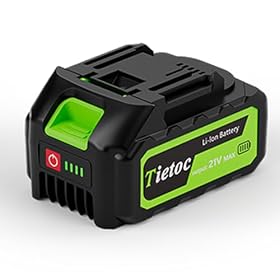
The battery voltage and capacity listed by the manufacturer
Whether the battery works with other tools in the same platform
Charging time and availability of replacement batteries
Whether the blower is sold as a bare tool
If you already own compatible cordless outdoor tools, staying within that battery platform can lower the cost and leave you with more options. If this will be your only tool in the system, compare the cost and availability of batteries and chargers rather than judging the blower alone.
Tube design
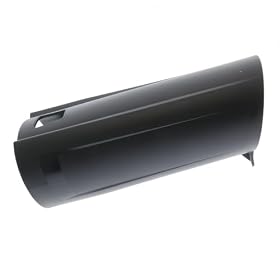
A narrow or tapered nozzle can concentrate airflow for stubborn clippings. A wider opening can spread airflow across a larger area and may feel less aggressive around delicate surfaces. Some blowers include interchangeable tubes or nozzles; verify what is included before purchase.
A tube that locks securely and does not twist during use is important. Follow the manufacturer's instructions for installing or removing tubes, and do not operate the blower with a damaged tube.
When cordless is the right choice
Cordless models are convenient for quick cleanup because there is no extension cord to route around the yard. They are especially practical when mowing several separate areas or when the nearest outlet is far from the driveway.
The tradeoff is limited runtime and the need to maintain charged batteries. For a small yard and short post-mowing cleanup, one battery may be sufficient. For a large property or frequent high-speed use, consider a model with a larger compatible battery or keep a charged spare available.
A corded blower can provide continuous operation, but the cord adds setup time and creates a trip or cutting hazard. If using a corded tool, use an outdoor-rated extension cord of the type and size specified by the manufacturer, and keep it away from the mowing area.
Product prices and availability are accurate as of the date/time indicated and are subject to change. Any price and availability information displayed on Amazon.com at the time of purchase will apply to the purchase of this product.
Features that affect comfort
A blower can be powerful yet unpleasant to use if it is front-heavy or difficult to control. Look for:
A balanced motor and battery position
A handle that remains comfortable at different angles
A manageable total weight with the battery installed
A lock-on or cruise-control feature when appropriate
A battery release that is easy to operate but secure during use
Manufacturers may list tool weight without the battery, so check whether the published weight includes the battery when comparing models. If possible, consider the weight of the complete operating setup rather than the bare tool.
Product prices and availability are accurate as of the date/time indicated and are subject to change. Any price and availability information displayed on Amazon.com at the time of purchase will apply to the purchase of this product.
Dust-off technique after mowing
For the cleanest result, let clippings dry when practical, then start at a low speed. Direct the airflow at a shallow angle so debris moves across the surface instead of being driven into cracks or scattered back into the lawn.
Work in a consistent direction:
Clear the mower deck and nearby hard surfaces first.
Move clippings from sidewalks and patios toward the lawn or a collection area.
Use short bursts around mulch, gravel, and garden edging.
Increase speed only when the lower setting cannot move the debris.
Finish around doors, vehicles, and outdoor furniture at a low setting.
Never point the blower at people, pets, open windows, or vehicles at close range. Wear eye protection, and use hearing protection when the manufacturer's instructions recommend it or when operating for extended periods.
Product prices and availability are accurate as of the date/time indicated and are subject to change. Any price and availability information displayed on Amazon.com at the time of purchase will apply to the purchase of this product.
When to choose more power
A compact variable-speed blower is usually adequate for dry clippings on driveways, sidewalks, and patios. Consider a stronger model or a larger battery platform if you regularly need to move:
Wet or matted grass
Leaves mixed with clippings
Debris across a large lawn or driveway
Small twigs and heavier yard debris
More power can also mean more noise, faster battery drain, and harder handling near loose landscaping. Choose the lowest airflow that completes the job rather than running maximum power continuously.
Buying checklist
Before ordering, confirm these details on the product listing and manufacturer documentation:
Variable-speed trigger, dial, or preset control
Airflow specification in CFM and air-speed specification in MPH
Battery and charger included or sold separately
Compatibility with batteries you already own
Claimed runtime and the conditions used for that claim
Complete operating weight with the battery
Included tubes or nozzles
Trigger lock or cruise-control feature
Warranty, replacement battery, and replacement tube availability
If the blower will only be used for brief cleanup after mowing, prioritize control, balance, and battery convenience. If it will also handle leaves and heavier debris, place more weight on airflow, battery capacity, and the availability of a higher-capacity battery.
When a different tool may be better
A blower is not the best choice for collecting large amounts of clippings. If you want to gather debris rather than move it, a mower with an effective bagging setup or a blower with a manufacturer-approved vacuum kit may be more suitable. Do not attach improvised collection bags or accessories that are not approved for the tool.
For very small areas, a broom may be quieter and faster than charging a battery. For extensive properties, a backpack blower or a larger outdoor power-tool platform may provide better runtime and handling, subject to local noise rules.
Safe operation and storage
Read the owner's manual before use. Remove loose clothing and jewelry, keep bystanders away, and inspect the tube, housing, battery, and controls for damage. Stop using the blower if the battery is swollen, leaking, unusually hot, or damaged; follow the battery manufacturer's disposal and service guidance.
Store the battery and charger according to the manufacturer's instructions, away from moisture and extreme heat. Use only the specified charger and replacement battery. For electrical, battery, or mechanical problems that are not covered by the manual, contact the manufacturer or a qualified service professional.
FAQ
Is a variable-speed cordless blower good for grass clippings after mowing?
Yes. Variable-speed control is useful for moving dry clippings from sidewalks, driveways, patios, and mower decks without scattering mulch or loose soil. Higher airflow may be needed for wet or heavy debris.
How much airflow does a cordless blower need for mowing cleanup?
There is no single required CFM rating. For light, dry clippings on hard surfaces, controllability may matter more than maximum airflow. Compare both CFM and MPH, and consider higher airflow if you regularly clear wet clippings, leaves, or larger areas.
Should I buy a blower with a battery and charger?
Buy a kit with a battery and charger if you do not already own compatible tools. A bare tool can make sense when you already have batteries in the same manufacturer platform, but confirm exact compatibility before ordering.
Does a larger battery make a cordless blower more powerful?
A larger-capacity battery primarily provides longer potential runtime. Actual power depends on the blower, battery system, operating mode, and manufacturer design. Check the manufacturer's compatibility and performance information rather than assuming every battery gives the same output.