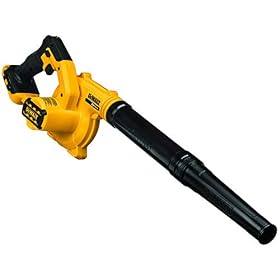
A steep hillside calls for a leaf blower that is easy to control, light enough to carry, and capable of moving leaves uphill or across uneven ground without relying on a long cord.
A cordless leaf blower is usually the easiest choice for a steep hillside yard because it avoids dragging a cord across uneven ground and lets you work from a stable position. Look for a manageable weight, a variable-speed trigger, a battery system with enough runtime for the area, and a nozzle that gives you control rather than maximum air volume alone.
What matters most on a steep hillside
Control is more important than maximum power
On a slope, leaves can scatter downhill or collect in places that are difficult to reach. A blower with a variable-speed trigger or multiple power settings lets you use a lower setting for beds, paths, and dry leaves, then increase power for wet or compacted piles.
High advertised air speed can help move stubborn debris, but it does not automatically make a blower easier to use. Excessive airflow may push leaves farther down the hill or disturb mulch and loose soil. A controllable blower is generally more useful than one designed only for maximum output.
Weight and balance affect fatigue
You may need to hold the blower at an angle while stepping around roots, rocks, or terraces. Check the tool's listed weight with the battery installed, not just the bare-tool weight. A well-balanced blower should not constantly pull your wrist downward or require you to twist your body to aim the tube.
For a large hillside or long cleanup sessions, consider a backpack blower if its harness and controls are comfortable for you. For smaller areas, a lighter handheld model may be easier to maneuver. Do not choose a backpack design solely because it has more power if the extra weight makes safe footing harder.
Battery runtime determines how far you can work
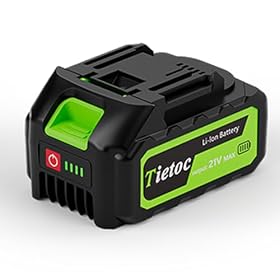
Cordless operation is convenient on a slope, but runtime depends on the battery capacity, power setting, debris, and how continuously you run the blower. A compact battery may be adequate for a small bank or a few steps, while a larger yard may require a higher-capacity battery or a spare compatible battery.
If you already own cordless outdoor tools, staying within that battery platform can reduce the need for another charger and may make a spare battery more useful. Confirm that the battery and charger are included; many bare-tool listings do not include either one.
Air volume and air speed serve different purposes
Manufacturers commonly list:
CFM: the volume of air moved. Higher CFM can help gather a wider spread of leaves.
MPH: the speed of the air stream. Higher air speed can help loosen wet leaves or debris.
These figures are not directly interchangeable, and advertised measurements may depend on the nozzle or test method. For a steep hillside, prioritize a combination that provides enough airflow for the debris you normally handle while retaining variable-speed control. A narrow tube can provide more focused control; a wider outlet can cover more area.
Corded versus cordless for hillside work
Cordless blowers are usually the practical choice
A battery blower eliminates the risk of a power cord snagging on shrubs, crossing steps, or pulling you off balance. It also allows you to move between sections of the yard without repeatedly repositioning an extension cord.
The tradeoffs are battery weight, charging time, and limited runtime. Keep the battery charged before starting, and use a second compatible battery if the manufacturer's runtime guidance does not cover the job.
Corded blowers can work on small, accessible slopes
A corded blower may make sense when the hillside is close to a suitable outdoor outlet and the cord can remain behind you on level ground. Use only an outdoor-rated extension cord and follow the blower and extension-cord instructions. Do not run a cord across a route where you must step, climb, or turn on unstable ground.
If you cannot keep the cord clearly away from your feet, wet surfaces, and sharp landscape features, a cordless model is the safer setup. Electrical connections should be protected as directed by the manufacturer, and damaged cords should not be used.
Product prices and availability are accurate as of the date/time indicated and are subject to change. Any price and availability information displayed on Amazon.com at the time of purchase will apply to the purchase of this product.
Lock-on or cruise control: Can reduce finger fatigue, but it should not make it harder to stop airflow quickly.
A comfortable tube angle: The nozzle should aim naturally without forcing your wrist into an awkward position.
A removable or adjustable tube: Useful for storage and for adapting the working position, if the manufacturer allows it.
Battery charge indicator: Helps you decide whether to start a section or change batteries first.
A compatible vacuum or collection kit: Useful only if the manufacturer supports it and you specifically want to collect leaves rather than move them.
Do not assume that a vacuum or mulching attachment will be suitable for a hillside. Collection bags add weight, and carrying a full bag on a slope can affect balance. Use attachments only as directed and keep the collection area manageable.
Product prices and availability are accurate as of the date/time indicated and are subject to change. Any price and availability information displayed on Amazon.com at the time of purchase will apply to the purchase of this product.
How to use a blower safely on a slope
Before blowing, remove loose branches, toys, stones, and other objects that could become projectiles. Wear eye and hearing protection, sturdy footwear with good traction, and long pants. Avoid operating in wet conditions if they make the ground slippery or if the product instructions prohibit it.
Work from a stable position and avoid leaning downhill to reach leaves. When possible, blow across the slope or from the upper side toward a planned collection area, rather than standing below a moving pile. Use short passes and keep the nozzle pointed away from people, pets, windows, vehicles, and roads.
Do not climb while the blower is running. Stop the motor before changing your footing, clearing a blockage, adjusting the tube, or moving to another section. For very steep, loose, wet, or unstable terrain, hand tools or professional yard service may be safer than operating a powered blower.
Product prices and availability are accurate as of the date/time indicated and are subject to change. Any price and availability information displayed on Amazon.com at the time of purchase will apply to the purchase of this product.
A practical buying checklist
Before choosing a blower, answer these questions:
How large is the hillside? Small banks may suit a lightweight handheld blower; larger areas may justify more battery capacity or a backpack design.
What debris do you move? Dry leaves need less power than wet leaves, pine needles, and compacted debris.
Where will the leaves go? Choose a model with controllable airflow if you must keep debris from traveling downhill.
How long will each session last? Compare expected runtime at the settings you will actually use, not only the manufacturer's light-duty estimate.
Can you carry the tool safely? Include the battery, and consider whether you can maintain stable footing while aiming it.
Do you need collection or mulching? If so, verify that a compatible kit is available for the exact blower model.
For most homeowners, the best fit is a lightweight-to-moderate cordless blower with variable speed and a battery system that can cover the hillside without forcing a rushed cleanup. Choose more capacity or a backpack configuration only when the yard size and debris justify it.
FAQ
Is a cordless leaf blower best for a steep hillside?
Usually, yes. A cordless blower avoids dragging an extension cord across uneven ground and is easier to reposition. Choose one with manageable weight, variable-speed control, and enough battery runtime for the area.
What is more important on a slope, CFM or MPH?
Both matter, but control matters most. CFM helps move a broad layer of leaves, while MPH helps loosen concentrated or wet debris. Variable-speed control can be more useful than choosing the highest number in either category.
Are backpack blowers safer on steep hills?
Not automatically. A backpack model can distribute weight and suit large areas, but it may be heavier and more tiring. Select a design you can control while maintaining stable footing, and follow the manufacturer's operating instructions.
Can I use a corded blower on a hillside?
Only when the outlet and cord can remain safely away from your feet, steps, wet areas, and obstacles. Use the outdoor-rated cord specified by the instructions. If the cord could affect your footing, choose a cordless blower instead.
When should I avoid using a leaf blower on a steep slope?
Avoid it when the ground is wet, loose, icy, or unstable, or when you cannot maintain secure footing. Stop before climbing, changing position, clearing debris, or adjusting the tool.