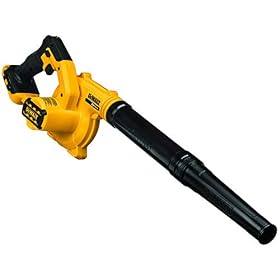
The best backpack blower for noise-sensitive neighborhoods is usually a cordless battery model, but local ordinances, measured sound ratings, runtime, and operating hours all matter. Here is how to compare your options without relying on vague “quiet” claims.
If noise ordinances matter, a cordless battery backpack blower is usually the safest starting point because it avoids the engine noise and exhaust of a gas model. However, “quiet” does not automatically mean ordinance-compliant. Check your local rules first, then compare the blower’s published sound rating, operating time, power, and the hours when you plan to use it.
Check the ordinance before choosing a blower
Noise rules vary by city, county, homeowners association, and property type. Some ordinances restrict outdoor power equipment by:
Time of day, such as early morning, evening, weekends, or holidays
Sound level, often measured in decibels at a specified distance
Equipment type, with separate rules for gas-powered equipment and electric equipment
Season or air-quality conditions, particularly where gas-powered landscaping tools are restricted
Look for the rules on your city or county website, or contact the local code-enforcement office. If you live in an HOA or planned community, check its rules separately. A blower can be relatively quiet and still violate a time-of-day restriction.
Battery versus gas backpack blowers
Cordless battery models
Battery backpack blowers are generally the better fit for noise-sensitive use. They do not have an idling engine, fuel combustion, or exhaust, and their sound tends to be less harsh than that of a gas engine. You can often reduce disturbance further by using a lower power setting for routine clearing.
Tradeoffs include:
Limited runtime at high power
Recharge time between jobs
Added battery cost if a battery is not included
Potentially less sustained force for large piles, wet leaves, or heavy debris
Battery weight, depending on the pack and blower design
A battery model is particularly practical for small and medium properties, short cleanup sessions, and neighborhoods with strict noise expectations.
Gas backpack models
Gas blowers may deliver strong sustained airflow and long work sessions with quick refueling. They can make sense for large properties, commercial routes, or prolonged heavy-duty cleanup where battery runtime would be a limiting factor.
The disadvantages are significant when noise ordinances are a concern:
Higher engine and exhaust noise
More noticeable low-frequency sound
Fuel, emissions, and maintenance requirements
Possible restrictions on gas-powered outdoor equipment
Do not assume that a gas backpack blower is acceptable simply because its published decibel number appears close to that of an electric model. Test methods, measurement distances, operating speeds, and included equipment can differ.
Product prices and availability are accurate as of the date/time indicated and are subject to change. Any price and availability information displayed on Amazon.com at the time of purchase will apply to the purchase of this product.
How to compare noise specifications
Look for the sound rating and test conditions
Manufacturers may list sound pressure level, sound power level, or another acoustic measurement. These figures are not always directly comparable. A lower number is generally preferable, but check:
Whether the rating is measured at the operator’s ear or at a set distance
Whether it applies at maximum power or a lower setting
Whether the number is a sound pressure or sound power rating
Whether the specification comes from the manufacturer or an independent requirement
If the ordinance gives a maximum decibel level, compare its measurement method with the manufacturer’s published method. When the methods do not match, treat the specification as a guide rather than proof of compliance.
Do not rely only on the word “quiet”
“Quiet,” “low noise,” and “reduced sound” are marketing descriptions, not legal classifications. The blower may still be too loud at full power or during restricted hours. The most useful listing provides a specific acoustic rating and identifies the conditions under which it was measured.
Product prices and availability are accurate as of the date/time indicated and are subject to change. Any price and availability information displayed on Amazon.com at the time of purchase will apply to the purchase of this product.
Match the blower to the work
Noise and performance are connected. A blower that is powerful enough to finish quickly may create less total disturbance than a weaker model that must run continuously, but maximum power is often louder.
Consider these factors:
Yard size: Small lots usually need less runtime and may not require a backpack blower at all.
Leaf type: Dry leaves move more easily than wet leaves, pine needles, or matted debris.
Surface: Paved areas may need less power than grass, gravel, or planting beds.
Slope and obstacles: Larger properties and uneven terrain increase fatigue and runtime needs.
Cleanup frequency: Frequent light clearing favors a quieter lower-power setting; infrequent heavy cleanup requires more reserve power.
If you only need to clear a driveway, walkway, or small yard, a compact handheld battery blower may be quieter, lighter, and easier to control than a backpack unit. A backpack design becomes more useful when runtime, comfort, or repeated work matters.
Product prices and availability are accurate as of the date/time indicated and are subject to change. Any price and availability information displayed on Amazon.com at the time of purchase will apply to the purchase of this product.
Battery specifications that affect noise-sensitive use
Battery capacity and runtime
Runtime claims usually depend on the power setting and may not represent continuous operation at maximum output. High-power modes consume energy quickly. If you need to work during a narrow permitted time window, choose a system with enough runtime to finish without extended breaks.
A second compatible battery can help, but confirm whether the manufacturer permits the specific battery configuration and whether the blower requires one pack or multiple packs. Extra batteries also add cost and weight.
Variable-speed control
A variable-speed trigger or selectable power levels are valuable for noise control. Use the lowest setting that moves the material effectively. This can reduce sound, extend runtime, and make it easier to avoid scattering leaves into neighboring yards.
Airflow and airspeed
CFM describes the volume of air the blower moves, while MPH describes the speed of that air. Neither specification alone tells you how noisy the blower will be or how well it will move a particular type of debris.
For broad piles and large areas, airflow is important. For stuck leaves in corners or grass, airspeed can help. Compare these figures only when they are measured under similar conditions, and do not select a blower on the headline number alone.
Ways to reduce disturbance while operating
Even a comparatively quiet blower can create complaints if it is used carelessly. These practices help:
Operate only during hours allowed by local rules.
Start at the lowest effective power setting.
Keep the tube aimed at the ground and away from windows, doors, and neighboring properties.
Avoid blowing leaves across streets or onto another person’s property.
Keep the outlet and tube clear so the blower does not need to work harder than necessary.
Plan one efficient cleanup rather than repeatedly blowing small amounts throughout the day.
Wear hearing protection when recommended by the manufacturer, even if the blower seems quieter than a gas model.
Stop if the blower, battery, or charger becomes unusually hot, damaged, or wet.
Battery-powered does not mean silent. Keep people, pets, and bystanders clear of the airflow and follow the safety instructions supplied with the equipment.
When a backpack blower is the wrong choice
A backpack blower may be unnecessary if your property is small or if the ordinance is especially strict. Consider a rake, broom, electric handheld blower, or a manual leaf-collection method when the work is close to neighbors or must be done in a narrow quiet-time window.
Choose a backpack blower when you need longer operating comfort, more power than a handheld unit, or repeated clearing across a larger property. For noise-sensitive use, prioritize a cordless model with a published sound rating, adjustable power, and enough battery capacity to complete the job efficiently.
Bottom line
The best backpack blower when noise ordinances matter is generally a cordless battery model with variable-speed control, a clearly stated sound rating, and sufficient runtime for your property. Verify the local ordinance before buying, because decibel limits and operating-hour rules differ. If the rules are strict or the yard is small, a handheld electric blower or manual tool may be the more practical—and less disruptive—choice.
FAQ
Are battery backpack blowers quieter than gas backpack blowers?
They are generally quieter and produce no engine exhaust, but they are not silent. Actual sound depends on the power setting, design, distance, and measurement method. Check the published sound rating and local rules.
Can a quiet backpack blower still violate a noise ordinance?
Yes. An ordinance may restrict operating hours, equipment type, or measured sound level. A marketing claim such as “quiet” does not establish legal compliance.
What does CFM mean on a leaf blower?
CFM is cubic feet per minute, a measure of airflow volume. Higher airflow can help move broad piles, but CFM should be considered alongside airspeed, nozzle design, debris type, and operating noise.
Do I need a backpack blower for a small yard?
Usually not. A handheld battery blower, rake, or broom may be lighter, less expensive, and less disruptive for a small yard or short cleanup.