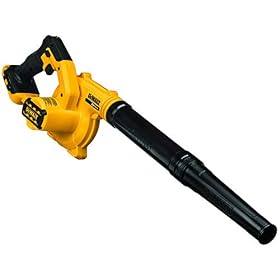
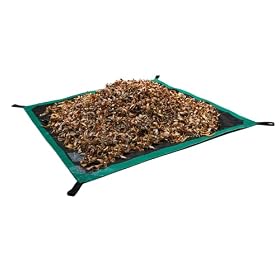
A leaf blower and tarp work best as a coordinated cleanup system. Choose the blower for moving leaves across your yard and the tarp for containing, dragging, and unloading them without repeated raking.
A leaf blower and tarp can make leaf cleanup faster, but only if they are matched to the size of your yard, the amount of debris, and the way you plan to move it. The blower supplies controlled airflow to gather leaves; the tarp acts as a large collection surface that can be dragged, folded, or lifted for disposal.
The most useful setup is usually a blower with enough air volume to move leaves across the ground, paired with a tarp that is large enough to hold a practical load but not so large that it becomes difficult to pull.
Start with the cleanup method
Before comparing blowers, decide how the tarp will be used. There are three common workflows:
Blow onto a stationary tarp: Spread the tarp near the collection area and blow leaves onto it from several directions.
Blow leaves into a pile, then load the tarp: Gather leaves first, place the tarp beside or under the pile, and rake or blow the debris onto it.
Use the tarp as a moving leaf catcher: Pull the tarp through the yard or reposition it repeatedly as leaves are blown onto it.
For most residential yards, the first two methods are easier to control. A moving tarp is useful for large, open areas, but it needs strong handles, low-friction ground contact, and a manageable load size.
Choose the blower for the leaves and terrain
CFM matters for gathering
CFM, or cubic feet per minute, describes the volume of air the blower moves. Higher airflow is generally helpful when gathering broad layers of leaves, moving damp debris, or covering a larger area.
A blower with modest airflow may work well for a small patio, driveway, or lightly covered lawn. Larger yards and thick leaf layers usually benefit from more airflow, especially when the tarp is positioned some distance away.
MPH matters for loosening and directing
MPH describes air velocity. Higher air speed can help separate leaves from grass, loosen leaves from corners, and move debris out of cracks. It does not automatically mean the blower gathers leaves efficiently across a large area.
For a tarp-based system, consider both figures rather than choosing by MPH alone. Airflow helps gather the material; air speed helps dislodge and direct it.
Corded, cordless, or gas
Corded electric: A practical choice for small yards near an outdoor outlet. The cord limits movement and requires careful routing around the tarp and other obstacles.
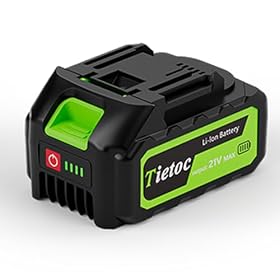
Cordless battery: Convenient for moving around the yard and working away from outlets. Check whether the tool is sold with a battery and charger or as a tool-only package. Runtime can vary with power setting, leaf density, and battery capacity.
Gas-powered: More relevant to large properties or extended use. These models require fuel, maintenance, ventilation, and careful handling. Follow the manufacturer’s starting, storage, and operating instructions.
A cordless blower is often the simplest match for a tarp because the operator can walk around the tarp without managing a power cord. A corded model can still work well when the cleanup area is compact and the outlet is positioned safely.
Product prices and availability are accurate as of the date/time indicated and are subject to change. Any price and availability information displayed on Amazon.com at the time of purchase will apply to the purchase of this product.
Choose a tarp that is easy to load and move
Size is a tradeoff, not a contest
A larger tarp holds more leaves, but a full large tarp can become difficult to drag and may be awkward to lift or empty. Choose a size based on the amount of debris you can reasonably move in one load.
For a small yard, a compact tarp may be easier to position and unload. For a broad lawn, a larger tarp reduces the number of trips, provided it has suitable handles and you avoid overloading it.
Material and construction
Look for a tarp made from material intended for outdoor use, with reinforced edges and secure attachment points. Thin utility tarps may work for occasional dry leaves but can tear when dragged over rough ground or loaded with damp debris.
Useful features include:
Reinforced corners and perimeter stitching
Multiple handles for pulling or lifting
Grommets or loops that are securely attached
A surface that does not snag easily on grass or pavement
Enough flexibility to fold or funnel leaves for unloading
A waterproof tarp can help contain damp leaves, but water resistance alone does not indicate that the tarp is designed for dragging. Construction around the edges and handles is especially important.
Flat tarp or leaf-collection tarp
A basic flat tarp is versatile and can also cover equipment or yard materials. A leaf-collection tarp may include built-in handles, reinforced sections, or a shape intended for gathering debris. The specialized option may be more convenient, while a flat tarp can offer more flexibility for other tasks.
Avoid choosing a tarp with a complicated enclosure unless you specifically need to transport leaves without them blowing out. Enclosures can make loading and emptying slower if the primary task is simply blowing leaves onto the surface.
Product prices and availability are accurate as of the date/time indicated and are subject to change. Any price and availability information displayed on Amazon.com at the time of purchase will apply to the purchase of this product.
Match the blower’s output to the tarp
A blower that is too powerful for the situation can scatter leaves past the tarp, especially in dry conditions or on hard surfaces. A blower with adjustable speed gives better control than one that operates effectively only at full power.
Use lower power when:
Blowing leaves onto the tarp from a short distance
Working near flower beds, mulch, gravel, or landscaping fabric
Handling dry, lightweight leaves
Clearing around vehicles, windows, or outdoor furniture
Use higher power when:
Loosening damp leaves from grass
Moving leaves across a broad lawn
Clearing a thick layer before final collection
Working against light resistance from grass or uneven ground
A concentrator nozzle can increase the force in a narrower stream, while a wider opening may be better for gathering a broad layer. If the blower includes interchangeable tubes or nozzles, keep the attachment suited to the task rather than assuming the narrowest nozzle is always best.
Product prices and availability are accurate as of the date/time indicated and are subject to change. Any price and availability information displayed on Amazon.com at the time of purchase will apply to the purchase of this product.
Set up the system for efficient collection
Choose the unloading point first. Position the work so the tarp does not need to travel a long distance when full.
Place the tarp with the wind in mind. A light breeze can help or hinder the cleanup. Keep the tarp flat and secure its corners if necessary.
Create a low loading edge. Fold or flatten one edge so leaves can be blown onto the tarp rather than underneath it.
Blow in sections. Work from the farthest part of the yard toward the tarp instead of chasing individual leaves randomly.
Use short, controlled passes. Keep the nozzle angled slightly downward and adjust speed before leaves begin escaping over the edge.
Stop before the tarp is too heavy. A partially filled tarp is usually easier to drag and less likely to tear.
Fold or funnel the tarp for unloading. Bring opposite edges together or use the handles to pour leaves into a compost area, yard-waste container, or disposal bag.
If leaves repeatedly pass over the tarp, move the tarp closer, reduce blower speed, or approach from the opposite side. If they will not move, check for dampness, thick grass, sticks, or a blower setting that is too low.
Important compatibility and purchase checks
The blower and tarp do not need to be from the same manufacturer. The important compatibility issues are practical:
Reach: The blower should let you work around the tarp without stretching the power cord or repeatedly repositioning yourself.
Control: Variable-speed operation is useful for loading a tarp cleanly.
Weight: A heavy blower becomes tiring when the cleanup involves repeated passes.
Battery system: For cordless tools, confirm whether the battery and charger are included and whether replacement batteries are available in the same system.
Storage: Check that the tarp can be folded compactly and that the blower tube can be stored without damage.
Ground conditions: Rough pavement, roots, gravel, and sharp sticks increase the need for a reinforced tarp.
If you already own a blower, choose the tarp around its practical working range. If you are buying both, prioritize maneuverability and control over maximum advertised air speed.
When a tarp is not the right collection method
A tarp may be inefficient when the yard is heavily wooded, the ground is very uneven, or leaves are mixed with many sticks and sharp debris. In those conditions, a leaf vacuum, lawn mower with a collection system, rake, or large yard-waste container may be a better final collection tool.
Do not use a blower to move stones, glass, or other hazardous debris. Wear eye and hearing protection as recommended by the manufacturer, keep people and pets away from the operating area, and follow local rules for outdoor equipment and leaf disposal.
Bottom line
Buy the blower for controlled airflow and the tarp for manageable collection. CFM helps gather large amounts of leaves, MPH helps loosen stubborn debris, and variable speed makes it easier to load the tarp without scattering leaves. For the tarp, prioritize reinforced edges, reliable handles, and a size you can still drag or lift when partly full. The best system is not the one with the largest blower or tarp; it is the one that lets you gather, move, and unload leaves without repeated trips or excessive effort.
FAQ
What size tarp is best for moving leaves?
Choose a tarp based on how much debris you can safely drag or lift in one load. A larger tarp reduces trips but becomes difficult to move when full. For most residential cleanup, a manageable partially filled tarp is more useful than the largest available size.
Is CFM or MPH more important for using a blower with a tarp?
Both specifications describe different capabilities. CFM helps move a broad layer of leaves, while MPH helps loosen and direct debris. For tarp loading, adjustable speed and adequate airflow are usually more useful than choosing solely by the highest MPH figure.
Can I use a regular utility tarp for leaves?
Yes, if it has durable material, reinforced edges, and attachment points that can withstand dragging. A specialized leaf tarp may be easier to pull and unload because it can include multiple handles or reinforced corners.
Should I use a cordless or corded blower with a tarp?
Cordless blowers are easier to maneuver around a tarp and across a yard. Corded blowers can be suitable for small areas near a safe outdoor outlet, but the cord must be kept clear of the tarp, walkways, water, and the blower’s operating path.