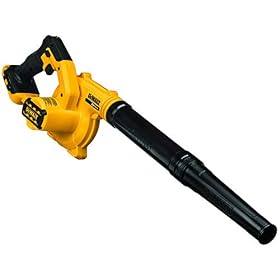
For most small yards, a compact leaf blower in the roughly 200–400 CFM range is sufficient. Choose based on leaf volume, wetness, paved areas, and whether you prefer corded or cordless power.
What do you need help with?
Open an answer, or tell us what we should cover next.
Answered in this guide
Compare a blower’s CFM and MPH with its clearing power
CFM shows how much air the blower moves and is generally more useful for gathering piles and heavier debris. MPH describes air speed at the nozzle, but a high MPH rating alone does not guarantee stronger clearing.
Most small yards can use a lightweight electric blower around 200–400 CFM. Increase power when leaves are wet, debris is heavy, or the yard includes gravel, mulch, or frequent cleanup.
Choose corded power when an outlet is nearby and consistent operation matters. Choose cordless power for easier movement and fewer cable restrictions, while allowing for battery charging and runtime limits.
Voltage and amp-hour capacity describe different parts of a battery system. Consider both when choosing a cordless blower, but do not assume higher voltage alone means longer runtime.
Choose small-yard features that make cleanup easier
Variable speed, lock-on control, a comfortable handle, low weight, and controllable airflow can matter more than maximum advertised power when clearing plants, gravel, corners, patios, and small lawns.
Requests help us prioritize the next guide. No email required.
One anonymous request per topic.
For most small yards, choose a compact leaf blower producing roughly 200 to 400 CFM. That is generally enough for patios, sidewalks, driveways, decks, and a modest lawn without the extra weight and noise of a large high-output blower.
The right size depends less on yard area alone than on the type of debris you move. Dry leaves on pavement require much less power than wet leaves packed into grass.
Start with CFM, not just MPH
Two specifications appear on nearly every leaf blower:
CFM, or cubic feet per minute: Measures how much air the blower moves. Higher CFM is usually more useful for gathering piles and moving heavier or damp debris.
MPH, or miles per hour: Measures air velocity. Higher MPH can help loosen leaves from corners, grass, and cracks, but it does not necessarily mean the blower moves a large volume of material.
For a small yard, look for a blower with enough CFM for your typical cleanup rather than choosing the highest MPH number on the package. A blower with a narrow nozzle may advertise high air speed while moving less total air.
As a practical starting point:
About 200–300 CFM: Suitable for light dry leaves, grass clippings, porches, sidewalks, and small paved areas.
About 300–400 CFM: Better for a small yard with several trees, heavier leaf coverage, or occasional damp debris.
Above 400 CFM: May be useful for wet leaves or larger properties, but can add weight, noise, and battery demand that a small yard may not need.
Manufacturers may measure airflow differently, so compare CFM and MPH figures under similar conditions and check the operating instructions before buying.
When a small blower needs more power
A compact blower may feel underpowered when:
Leaves are wet or matted into the lawn
The yard has many mature trees
You regularly move pine needles, seed pods, or heavier debris
Leaves collect in thick piles against fences or foundations
You want to clear both grass and large paved areas quickly
If these conditions are common, choose the upper end of the small-yard range or a model with adjustable speed and a temporary boost setting. Variable speed is useful because full power is not always desirable: lower airflow gives you more control around flower beds, gravel, mulch, and outdoor decorations.
Product prices and availability are accurate as of the date/time indicated and are subject to change. Any price and availability information displayed on Amazon.com at the time of purchase will apply to the purchase of this product.
Corded or cordless for a small yard?
Corded electric leaf blowers
A corded model can be a practical choice for a small yard close to an outdoor outlet. Its main advantages are consistent power, low maintenance, and no battery recharge time. It may also cost less to operate if you already have a suitable outdoor-rated extension cord.
The drawbacks are managing the cord and staying within the cord's usable reach. Use only an outdoor-rated extension cord sized according to the blower manufacturer's instructions. Keep the cord away from water, sharp edges, vehicles, and the blower intake. If the yard requires frequent repositioning or has no convenient outlet, cord management can outweigh the power advantage.
Cordless electric leaf blowers
A cordless blower is usually the more convenient option for a small yard, especially when you want to clear a driveway, porch, walkway, and lawn without dragging a cord. Look at the battery platform, not just the blower's advertised output. A larger battery may provide longer runtime but can also increase overall weight.
For occasional light cleanup, a compact battery blower may be sufficient. If you clear heavy leaves or want to finish the entire yard in one session, consider a model with a larger compatible battery or an available spare. Runtime varies with speed, temperature, battery condition, and the material being moved.
Product prices and availability are accurate as of the date/time indicated and are subject to change. Any price and availability information displayed on Amazon.com at the time of purchase will apply to the purchase of this product.
How much battery capacity do you need?
Battery voltage and amp-hour capacity describe different things. Voltage is part of the electrical system and does not, by itself, guarantee longer runtime. Amp-hour capacity is more directly related to how much energy the battery stores, although actual runtime still depends on the blower and operating speed.
For a small yard, prioritize:
A battery that can cover your normal cleanup time
A comfortable overall weight
A platform with replacement batteries available
A charger that fits your schedule
A blower with variable-speed control
Avoid choosing a very large battery solely for its capacity if it makes the blower tiring to hold. A lighter blower used comfortably at the right speed can be more useful than a heavier high-output model.
Product prices and availability are accurate as of the date/time indicated and are subject to change. Any price and availability information displayed on Amazon.com at the time of purchase will apply to the purchase of this product.
The best size by cleanup area
Porch, patio, and driveway only
A lightweight blower with modest CFM is usually enough. Focus on controllability, low weight, and a narrow nozzle for clearing corners and cracks.
Small lawn with a few trees
Choose a midrange compact blower, particularly if leaves need to be moved from grass to pavement before collection. Variable speed helps prevent scattering leaves into beds or neighboring areas.
Small yard with frequent wet leaves
Choose more airflow and a blower with a boost setting. Wet leaves may still require a rake because a handheld blower is not a substitute for physically lifting leaves that are stuck to damp grass.
Small yard with gravel or mulch
Control matters more than maximum output. Look for variable speed and start on the lowest setting. High airflow can move loose gravel, mulch, or decorative material along with the leaves.
Features worth paying attention to
For a small yard, these features often matter more than maximum advertised power:
Variable-speed trigger or dial: Makes it easier to work around plants and gravel.
Lock-on control: Reduces hand fatigue during longer cleanup sessions.
Balanced handle and low weight: Important when clearing multiple areas.
Multiple nozzles: A wide nozzle can gather leaves; a narrower nozzle can target corners.
Battery compatibility: Useful if you already own tools from the same battery platform.
Vacuum or mulching function: Worth considering only if you want to collect leaves instead of blowing them into a pile.
Noise rating: Check the manufacturer's information and follow local rules or quiet hours.
A blower-vacuum may be useful for a small yard with limited storage space, but it adds parts that need cleaning and emptying. If you mainly move leaves to a curb or compost pile, a dedicated blower is usually simpler.
A simple buying recommendation
For a typical small yard, start with a lightweight electric blower around 200–400 CFM, adjustable speed, and a comfortable handle. Choose corded power if an outlet is nearby and you do not mind managing an extension cord. Choose cordless power if convenience and movement matter more, then select a battery size that covers your normal cleanup without making the tool unnecessarily heavy.
Move toward the higher end of the range if your leaves are often wet, your yard has many trees, or you need to clear grass as well as pavement. Do not choose based on MPH alone, and do not assume the highest CFM is automatically the best fit.
When a blower is not the right tool
A blower may not be the best choice if leaves are deeply packed into wet grass, if you need to collect and bag everything, or if local noise restrictions limit operation. A rake, tarp, lawn vacuum, or blower-vacuum may be more practical for those jobs.
Always follow the manufacturer's instructions, wear eye and hearing protection as appropriate, and avoid directing debris toward people, pets, vehicles, windows, or roadways.
FAQ
Is 200 CFM enough for a small yard?
It can be enough for dry leaves, grass clippings, patios, sidewalks, and driveways. If the yard has wet leaves, dense coverage, or many trees, a blower closer to 300–400 CFM may be more practical.
Is CFM or MPH more important in a leaf blower?
CFM is generally more useful for moving piles and larger amounts of debris, while MPH helps loosen leaves and target corners. Consider both, but do not judge a blower by MPH alone.
Are cordless leaf blowers strong enough for a small yard?
Yes, many cordless models are suitable for small-yard cleanup. Choose based on usable airflow, battery runtime, weight, and whether you already own compatible batteries.
Should I buy a blower-vacuum for a small yard?
Buy a blower-vacuum if you need to collect and mulch leaves. If you mainly want to move leaves into piles, a dedicated blower is usually lighter and simpler.
What leaf blower size is best for wet leaves?
Wet leaves usually need more airflow and sometimes a boost setting. For a small yard, consider the upper end of the compact range, but expect that heavily matted leaves may still require a rake.