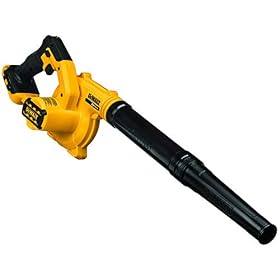
The best quiet leaf blower for a townhouse is usually a compact cordless model with a variable-speed trigger, moderate airflow, and a battery sized for short cleanup sessions. Here is how to compare one without relying on misleading noise or speed claims.
A quiet cordless leaf blower with variable-speed control is usually the best fit for a townhouse. It avoids extension-cord noise and management, starts quickly for small cleanup jobs, and lets you reduce airflow near patios, neighbors, windows, and landscaping. Focus less on the highest advertised air speed and more on the blower’s published sound information, usable low-speed control, battery runtime, and whether its airflow is appropriate for your yard.
What to look for in a townhouse leaf blower
Townhouse yards often have limited space, shared walls, nearby windows, patios, parked cars, and neighbors close to the property line. A suitable blower should be easy to control rather than simply powerful.
Cordless power
A cordless blower is generally more convenient for a townhouse because you can move between a front walk, patio, driveway, and small lawn without routing a cord across shared or public areas.
Look for a system with:
A removable battery and charger that are included or clearly available
A battery capacity suited to short cleanup sessions
A comfortable grip and manageable weight with the battery installed
A battery gauge, if available, so the tool does not stop unexpectedly
Other compatible yard tools if you already use that battery platform
Battery voltage by itself does not tell you how quiet or effective a blower will be. Motor design, airflow, controls, tube shape, and the battery system all affect the experience.
Variable-speed control
A variable-speed trigger or adjustable power setting matters more in a townhouse than maximum output. Low airflow can move dry leaves from a patio without scattering mulch, gravel, or debris toward a neighbor’s property. Higher settings remain useful for damp leaves or driveway cleanup.
A lock-on button can reduce hand fatigue during longer jobs, but it should not replace a responsive trigger. The most useful control layout lets you make small adjustments quickly.
A moderate airflow rating
Leaf blowers are commonly described using CFM and MPH:
CFM describes the volume of air the blower moves. It is important for gathering and pushing a larger amount of leaves.
MPH describes air speed. It can help loosen wet or stuck debris, but a high MPH figure alone does not mean the blower will clear leaves efficiently.
For a townhouse, prioritize controllable airflow over the largest numbers. Excessive airflow can send leaves onto sidewalks, into planting beds, under cars, or into adjacent yards. If the manufacturer lists both tube-end airflow and motor airflow, compare measurements taken under similar conditions rather than treating the numbers as directly interchangeable.
Published sound information
Noise ratings can help compare models, but they are not perfectly standardized across brands. Check whether a listed decibel figure is an operator sound-pressure rating, a sound-power rating, or measured under a specific test condition. A number without test details is difficult to compare fairly.
A blower may also sound louder when used at full power, near a wall, or on a hard surface that reflects noise. A model with a lower-power setting is often more neighbor-friendly in actual use than one that only advertises a lower number but requires full power for basic work.
Cordless versus corded for townhouse use
Cordless advantages
Cordless blowers are usually the practical choice for townhouse cleanup because they offer:
No extension cord across walkways
Easier access to small front and rear areas
Quick startup and storage
Less risk of accidentally damaging a cord around fences, edging, or vehicles
Better control when moving between close landscaping features
The main tradeoff is runtime. Cold weather, an aging battery, high power settings, and damp debris can all reduce the amount of work completed per charge.
Corded advantages
A corded blower can make sense when an outdoor outlet is conveniently located and cleanup areas are small. It does not require charging or storing a battery, and its runtime is not limited by a battery charge.
However, the cord can be inconvenient around shared paths and driveways. Use only an outdoor-rated extension cord of the type and gauge specified by the manufacturer, keep connections away from wet areas, and follow the tool’s electrical instructions. Do not operate a corded blower in rain or standing water.
Product prices and availability are accurate as of the date/time indicated and are subject to change. Any price and availability information displayed on Amazon.com at the time of purchase will apply to the purchase of this product.
How much power does a townhouse need?
Most townhouse owners do not need the largest blower in a product line. Choose based on the debris you actually move:
Dry leaves on a patio or walkway: Low to moderate airflow and precise speed control are usually enough.
Leaves across a small lawn: Moderate airflow with a wider usable operating range is more helpful.
Wet leaves or compacted debris: More power may be necessary, but expect more noise and shorter battery runtime.
Mulch, gravel, or decorative stone: Use the lowest effective setting and direct air carefully.
If leaves regularly collect in a large shared area, a blower with more airflow may save time, but it may also be less suitable for close neighbors. In that situation, a lower-power blower paired with a rake can be a more considerate solution.
Product prices and availability are accurate as of the date/time indicated and are subject to change. Any price and availability information displayed on Amazon.com at the time of purchase will apply to the purchase of this product.
Features worth paying attention to
Removable battery
A removable battery allows you to keep a spare charged or replace the battery if its capacity declines. Confirm whether the tool is sold as a kit with a battery and charger or as a bare tool. A bare tool is only a good value if you already own compatible batteries and a charger.
Battery compatibility
If you own other cordless outdoor tools, staying within the same battery platform can reduce the number of chargers and battery types you need. Do not assume batteries are interchangeable across brands or even across product families; verify compatibility in the manufacturer’s documentation.
Weight and balance
A blower that feels light at the store or in a product photo may feel different with the battery installed. Check the tool’s listed weight both with and without the battery when that information is provided. A well-balanced blower is easier to aim accurately and less tiring during repeated short sessions.
Narrow and wide tubes
A narrow nozzle can concentrate airflow for stubborn debris. A wider tube can help move a broader layer of dry leaves. Some blowers include interchangeable or adjustable nozzles, but do not assume an accessory is included unless the listing says so.
Vacuum and mulching functions
A blower-vacuum can collect leaves, but the added vacuum tube and bag may increase setup time, weight, and noise. For a townhouse with a small amount of debris, a separate rake or hand collection may be simpler. Consider a vacuum kit only if you regularly need to gather leaves rather than redistribute them.
Product prices and availability are accurate as of the date/time indicated and are subject to change. Any price and availability information displayed on Amazon.com at the time of purchase will apply to the purchase of this product.
How to use a leaf blower considerately
Even a comparatively quiet blower can disturb nearby residents. These habits help reduce the impact:
Check townhouse, condominium, or local noise rules before operating the tool.
Choose permitted daytime hours rather than early morning, late evening, or quiet periods.
Start on the lowest setting that moves the debris.
Work away from open windows, doors, pets, and people.
Keep the nozzle directed toward your own collection area.
Avoid blowing dust, gravel, or leaves onto sidewalks, roads, or neighboring property.
Wear hearing protection and eye protection, and keep children and pets away from the work area.
Stop if conditions are dry and dusty enough to create a visibility or breathing problem.
Never point a blower at another person or animal. Follow the manual for operating limits, protective equipment, storage, and battery charging.
When a townhouse leaf blower is not the right tool
A blower may be unnecessary if you only clear a small patio or a few steps. A rake, broom, or manual lawn sweeper can be quieter and more precise. A blower is more worthwhile when you regularly clear leaves from several surfaces or need to move debris without bending repeatedly.
A vacuum function can help if local rules or close neighbors make blowing leaves impractical. It is not automatically quieter, though, and collection bags require emptying and storage.
Bottom line
For most townhouse owners, choose a cordless leaf blower with variable-speed control, manageable weight, removable batteries, and clearly explained sound information. Moderate, controllable airflow is usually more useful than maximum CFM or MPH. Verify the battery and charger arrangement, compare sound ratings carefully, and use the tool only during allowed hours and at the lowest effective setting.
FAQ
Are cordless leaf blowers quieter than corded models?
Not automatically. Noise depends on the motor, fan, airflow setting, and tool design. Cordless models are often more convenient for townhouse use, but compare the manufacturer’s sound information and use the lowest effective power setting.
What CFM is enough for a townhouse?
There is no single required CFM. A small townhouse patio and walkway generally need less airflow than a lawn covered with wet leaves. Prioritize variable-speed control and an airflow range you can use without scattering mulch or debris.
Is MPH or CFM more important for leaves?
CFM indicates how much air moves and is useful for gathering leaves, while MPH indicates air speed and can help loosen stubborn debris. Consider both, but do not choose based on MPH alone.
Can I use a leaf blower early in the morning at a townhouse?
Check your local, condominium, or townhouse-association rules first. Even where blowers are allowed, daytime operation is generally more considerate than early morning or late evening use.
Should I buy a leaf blower with a vacuum function?
Buy one if you regularly need to collect leaves in a small area and want to avoid blowing them toward shared spaces. Skip the feature if you mainly redistribute dry leaves, since a blower-vac can add weight, setup, and maintenance.