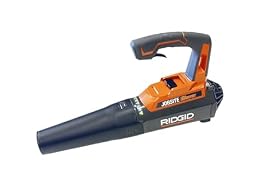
The best cordless leaf blower balances airflow, battery runtime, weight, and price for the size and type of yard you maintain. Use this guide to compare specifications and avoid buying more power—or less runtime—than you need.
What do you need help with?
Open an answer, or tell us what we should cover next.
Answered in this guide
Compare advertised airflow with how well a blower clears debris
Use CFM to compare the volume of air a blower moves and MPH to compare air speed. Higher CFM generally helps with large piles, damp leaves, and broad areas, while speed and operating conditions also affect results.
Choose a cordless blower for your yard and cleanup jobs
Match the blower to the space and work: compact handheld models suit patios and small yards, while typical or larger yards may need more airflow, battery capacity, or a second battery for longer cleanup sessions.
Handheld blowers are generally suited to lighter, shorter cleanup jobs, while backpack blowers can make larger properties and longer sessions easier by carrying the blower’s weight on your back.
Choose a battery size and platform that fit your use
Battery voltage alone does not show blower performance. Consider runtime, how you operate the tool, and whether its battery platform works with other tools you already own before choosing a cordless model.
Request a topic and help us choose what to build next.
Calculate how much battery runtime your yard needs
Diagnose why a cordless blower loses power or runtime
Maintain a cordless leaf blower and its battery
Choose a leaf blower that meets local noise limits
Requests help us prioritize the next guide. No email required.
One anonymous request per topic.
The best cordless leaf blower depends on your yard size, the type of debris you move, and how long you need to work between charges. For small patios and walkways, a lightweight handheld blower is usually the easiest choice. Larger yards, wet leaves, and heavy debris call for higher airflow, a larger battery, or a backpack-style design.
When comparing models, pay closest attention to CFM, MPH, battery capacity, weight, runtime, and included equipment. No single specification tells the whole story.
Quick recommendations by yard and job
Small yard, patio, or driveway: Choose a compact handheld blower with a smaller battery and adjustable speed control.
Typical suburban yard: Look for a handheld model with enough airflow for leaves on grass, hard surfaces, and garden beds, plus a battery system that can support your other tools.
Large yard or frequent cleanup: Prioritize higher CFM, a larger battery, fast charging, or a second compatible battery.
Wet leaves and heavy debris: Choose strong airflow and a tube design that concentrates the air stream. Expect shorter runtime at maximum power.
Long work sessions: Consider a backpack blower or a lighter handheld paired with an extra battery.
Noise-sensitive neighborhoods: Look for variable-speed control and a lower-noise design, but still follow local restrictions and wear hearing protection when appropriate.
What matters when choosing a cordless leaf blower
CFM measures how much air moves
CFM, or cubic feet per minute, describes the volume of air the blower moves. Higher CFM is generally more useful for clearing large piles of leaves, damp debris, and broad areas.
A high-CFM blower can move more material at once, but it may be larger, heavier, and more demanding on the battery. For small cleanup jobs, excessive airflow can scatter leaves instead of gathering them.
MPH measures air speed
MPH describes the speed of the air leaving the tube. Higher air speed can help loosen stubborn leaves from grass, cracks, and corners.
MPH alone does not determine overall performance. A blower with a high advertised MPH but modest CFM may produce a narrow, forceful stream without moving a large volume of leaves. Compare CFM and MPH together, and check whether the manufacturer lists the figures at the tube or under another measurement condition.
Battery voltage is not a direct performance rating
A higher nominal voltage does not automatically mean a stronger blower. Motor design, fan design, controls, and airflow all affect performance. Use voltage mainly to understand compatibility with a battery platform, not as a substitute for CFM and MPH.
Battery capacity, usually expressed in amp-hours (Ah), gives a better indication of stored energy within the same battery platform. A higher-Ah battery generally provides longer runtime but adds weight, cost, and charging time. Runtime also changes substantially with speed setting, debris, temperature, and battery age.
Runtime depends on how you operate the blower
Manufacturers may list runtime at a low speed, intermittent use, or another condition that differs from continuous operation at full power. Treat maximum-power runtime as the more demanding use case when available.
For a larger property, an extra battery may be more convenient than waiting for one battery to recharge. Before buying, check whether the tool is sold alone or includes a battery and charger. A bare tool can be a good value if you already own compatible batteries, but it may cost more overall if you need to build a new platform.
Weight and balance affect comfort
A powerful blower is less useful if it becomes uncomfortable before the job is finished. Check the tool's weight with the battery installed, not just the bare-tool weight.
A well-balanced handheld blower should not require constant wrist correction. A shoulder strap can improve comfort on some larger handheld designs. Backpack blowers transfer much of the weight to your back and may be preferable for extended work, although they can be more expensive and less convenient for quick jobs.
Variable-speed control is more useful than a simple on/off trigger
Variable-speed control lets you use gentle airflow around flower beds and stronger airflow on lawns or driveways. A trigger lock or cruise-control feature can reduce hand fatigue during longer sessions.
A boost button can provide extra power for stubborn piles, but frequent boost use reduces runtime. A model with several practical speed settings may be more useful than one with a high peak output that is difficult to control.
Product prices and availability are accurate as of the date/time indicated and are subject to change. Any price and availability information displayed on Amazon.com at the time of purchase will apply to the purchase of this product.
Handheld or backpack cordless blower?
Handheld blowers
Handheld models are usually the most convenient choice for small and medium yards. They are easier to store, quick to start, and useful for patios, sidewalks, decks, and light lawn cleanup.
Choose one when you value low weight and simple handling more than maximum runtime. For large leaf piles or long sessions, battery changes and arm fatigue may become limitations.
Backpack blowers
Backpack models make more sense when you regularly clear a large property or operate the blower for extended periods. The harness can distribute weight more comfortably, and these blowers often target higher output.
They take longer to put on and store, and the complete setup may cost more. They are usually unnecessary for occasional patio or driveway cleanup.
Product prices and availability are accurate as of the date/time indicated and are subject to change. Any price and availability information displayed on Amazon.com at the time of purchase will apply to the purchase of this product.
Tube design and included accessories
A narrower nozzle can concentrate airflow for stubborn debris, while a wider opening can distribute air over a larger area. Some blowers include interchangeable nozzles or tubes; others use a fixed design.
Do not assume that a blower can vacuum or mulch leaves. Those functions require compatible intake components, a collection bag, and an impeller designed for that use. If vacuum conversion matters to you, confirm that the complete kit is included or that the necessary attachments are available for the exact tool.
Product prices and availability are accurate as of the date/time indicated and are subject to change. Any price and availability information displayed on Amazon.com at the time of purchase will apply to the purchase of this product.
Battery platform considerations
A cordless blower can be more valuable when its battery works with other outdoor tools such as trimmers, chainsaws, or hedge trimmers. Staying within one platform may reduce the number of chargers and spare batteries you need.
Before choosing a platform, check:
Whether the blower is sold as a tool-only package or a complete kit.
The cost and availability of replacement batteries.
Whether larger batteries fit without interfering with balance.
Charger speed and charging requirements.
Warranty terms for the tool and battery.
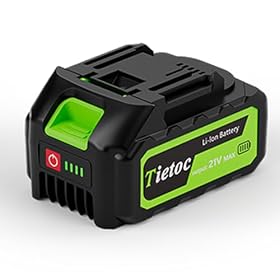
Avoid choosing solely by the number printed on the battery. Platform compatibility and the total cost of the tools you expect to buy may matter more than a small difference in voltage.
Product prices and availability are accurate as of the date/time indicated and are subject to change. Any price and availability information displayed on Amazon.com at the time of purchase will apply to the purchase of this product.
Cordless versus corded or gas-powered blowers
Cordless blowers are convenient because they start quickly and do not require an extension cord or fuel. They are especially practical for routine residential cleanup.
A corded blower can provide continuous operation for a small area, but the cord limits movement and requires careful management around wet ground, landscaping, and walkways. Use outdoor-rated equipment and follow the manufacturer’s electrical-safety instructions.
Gas-powered equipment may suit very large properties or demanding commercial work, but it typically involves fuel, maintenance, exhaust, and more noise. Local rules may restrict gas-powered blowers or limit operating hours. For many homeowners, cordless equipment offers the simplest balance of convenience and capability.
How to get better results from a cordless blower
Blow leaves when they are dry whenever possible.
Start at a lower speed near beds, gravel, mulch, and loose soil.
Work with the wind instead of fighting it.
Sweep leaves into small piles rather than trying to move the entire yard at once.
Hold the tube at a shallow angle so the air travels across the surface.
Use a concentrator nozzle for cracks, corners, and compacted debris.
Remove the battery before clearing a jam or performing maintenance.
Store the battery according to the manufacturer’s temperature and charging instructions.
Wear eye protection, hearing protection when needed, sturdy shoes, and long pants. Keep people and pets away from flying debris, and do not direct the air stream toward roads or neighboring property.
When to choose a different blower
Choose a larger battery or a second battery if the blower meets your power needs but not your runtime needs. Choose a higher-CFM model if the current tool struggles with broad areas, damp leaves, or heavy piles.
A backpack model is a reasonable step up when a handheld blower causes arm fatigue or requires frequent pauses. If you only clear a patio, porch, or short driveway, moving to a larger blower may add cost and weight without improving the experience.
If a cordless blower loses performance after the battery is fully charged, first inspect the intake, tube, and battery contacts for debris or damage. If the battery will not charge, swells, becomes unusually hot, or shows other signs of damage, stop using it and follow the manufacturer’s battery-replacement guidance. Persistent motor problems, burning smells, damaged wiring, or repeated shutdowns should be handled by the manufacturer or a qualified service professional rather than improvised repairs.
Bottom line
The best cordless leaf blower is the one that matches your yard and work pattern. For most homeowners, prioritize a manageable weight, adjustable speed, useful CFM, a compatible battery platform, and enough runtime for the job. Choose maximum output only when you regularly move wet leaves, large piles, or debris across a substantial property.
FAQ
What CFM is good for a cordless leaf blower?
A lower-to-mid CFM blower is often sufficient for patios, sidewalks, and small yards. Larger yards, wet leaves, and heavy piles benefit from higher CFM. Compare CFM with MPH, because airflow volume and air speed serve different purposes.
Is a higher MPH or higher CFM better?
Neither is always better. MPH helps loosen stubborn debris, while CFM determines how much air and material the blower can move. A useful cordless blower balances both figures for the type of cleanup you do.
How long should a cordless leaf blower battery last?
Runtime varies with battery capacity, speed setting, temperature, debris, and whether the blower is used continuously. Manufacturer runtime figures may use low-speed or intermittent conditions, so demanding full-power work will usually shorten runtime.
Are cordless leaf blowers powerful enough for wet leaves?
Some are, but wet leaves usually require more airflow and longer work time than dry leaves. Use a higher-output blower, work in smaller sections, and expect maximum-speed operation to reduce battery runtime.
Should I buy a leaf blower with a battery and charger?
Buy a complete kit if you do not already own compatible batteries. A tool-only package may be more economical when you already use the same battery platform, but compare the cost of a suitable battery and charger before deciding.