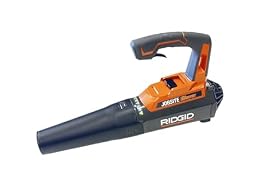
Best blower if you already have a matching string trimmer battery
The best blower for your existing string trimmer battery is usually a bare tool from the same battery platform—not simply a blower with the same voltage. Confirm exact compatibility, then compare airflow, runtime, weight, controls, and the cost of buying a battery separately.
If you already own a cordless string trimmer, the best leaf blower is usually a bare blower from the same battery platform. You can avoid buying another battery and charger, but matching voltage alone is not enough: the battery must be approved for that tool family, and the blower should deliver enough airflow for your yard.
Start with battery-platform compatibility
Look at the battery label, charger, and string trimmer manual before shopping. Record the platform name, voltage, and battery series or generation. Then verify that the blower manufacturer lists your exact battery as compatible.
Do not assume that batteries will interchange just because they:
Have the same nominal voltage
Slide onto the tool in a similar way
Come from the same manufacturer
Look physically compatible
Battery platforms can use different contacts, electronics, locking systems, and firmware between product families. A higher-capacity battery may also be recommended for some blowers even when a smaller pack technically fits.
If the blower listing says “tool only” or “bare tool,” it normally does not include a battery or charger. That is often the best value when you already own a compatible pack. If compatibility is unclear, check the manufacturer’s compatibility chart rather than forcing the battery onto the tool.
Choose airflow for your yard
Two specifications matter most: CFM and MPH.
CFM measures the volume of air moved. Higher CFM helps clear larger piles and move damp or heavy leaves.
MPH measures air speed. Higher MPH can help loosen leaves from grass, corners, gravel, and hard surfaces.
For most homeowners, CFM is the more useful starting point. A blower with impressive MPH but modest CFM may be good for detail work but slower at moving a large pile. Look for a practical balance rather than choosing the highest number in only one category.
Manufacturer specifications may list different figures for maximum air speed, maximum airflow, or airflow measured at the nozzle. These figures are not always directly comparable. Check whether the blower uses a narrow concentrator nozzle, a wide nozzle, or an optional attachment when comparing specifications.
A simple size guide
Small patios, walkways, and light leaf cover: A compact battery blower is usually sufficient.
Typical suburban yards: Choose a mid-power blower with enough CFM for repeated fall cleanup and a variable-speed trigger.
Large yards, wet leaves, or heavy debris: Favor higher airflow, a larger compatible battery, and a design that can run comfortably for longer sessions.
If you regularly clear wet leaves, pine needles, or debris from lawn edges, a lightweight trimmer battery may provide shorter runtime than a larger pack intended for higher-demand tools.
Product prices and availability are accurate as of the date/time indicated and are subject to change. Any price and availability information displayed on Amazon.com at the time of purchase will apply to the purchase of this product.
Check runtime with your existing battery
Runtime depends on battery capacity, blower speed, debris, temperature, and whether the blower is used continuously. Battery capacity is commonly expressed in amp-hours, or Ah. Within the same platform and voltage range, a higher-Ah battery generally stores more energy and can run longer, but it usually adds weight and cost.
Use your string trimmer battery as a practical reference:
Note its Ah rating.
Check whether the blower manufacturer recommends that battery size.
Look for published runtime information at different power settings.
Decide whether you will use short bursts or hold the trigger continuously.
A variable-speed trigger or multiple power modes can stretch runtime. For routine driveway and patio cleanup, you may not need maximum power the entire time. A turbo mode is useful for stubborn piles, but continuous high-power operation drains the battery faster.
Do not compare runtime figures from different brands as if they were standardized test results. Manufacturers may use different battery capacities, speed settings, and test conditions.
Product prices and availability are accurate as of the date/time indicated and are subject to change. Any price and availability information displayed on Amazon.com at the time of purchase will apply to the purchase of this product.
Consider the blower's weight and balance
Using your existing battery does not automatically make a blower comfortable. The battery location, motor position, handle shape, and tube length affect balance.
A blower can feel manageable for a few minutes but tiring during a full-yard cleanup. Pay particular attention to:
Tool-only weight versus weight with the battery installed
Whether the battery sits near your hand or at the rear of the tool
Trigger reach and lock-on controls
Handle shape and grip texture
One-handed balance when the tube is pointed downward
Included shoulder strap or support handle, if applicable
If the battery from your trimmer is a large, heavy pack, verify that the blower remains comfortable with it installed. For smaller users or frequent touch-up work, lower weight may matter more than maximum airflow.
Decide whether you need a blower vacuum
A standard blower is the simpler choice if you mainly move leaves into piles or off hard surfaces. A blower-vacuum kit can collect and mulch leaves, but it adds equipment and maintenance considerations.
Choose a vacuum-capable design only if you specifically need to collect leaves in tight areas or reduce their volume before disposal. Check whether the vacuum tube, collection bag, and impeller are included or sold separately. Small sticks, stones, and other hard debris can damage an impeller, so use the vacuum function only as directed by the manufacturer.
Compare bare-tool value carefully
The lowest upfront price is not always the lowest total cost. Before choosing a blower, confirm whether the package includes:
Battery
Charger
Blower tube or concentrator nozzle
Shoulder strap
Vacuum tubes or collection bag
Any required adapter
If you already have a battery and charger, a bare tool usually avoids unnecessary duplication. If your current battery is old, has short runtime, or is no longer supported, a kit with a new battery may make more sense than buying a bare blower and replacing the pack soon afterward.
Also check the battery warranty, tool warranty, replacement-battery availability, and whether the platform has other tools you might want later. Staying on one platform can reduce charger clutter, but only if the platform continues to meet your needs.
Features worth prioritizing
For most existing-battery owners, these features are more useful than cosmetic extras:
Variable-speed control: Helps conserve battery and avoid scattering leaves.
Turbo or boost mode: Useful for wet leaves and compacted piles.
Cruise control or trigger lock: Reduces hand fatigue during longer jobs.
Detachable tube: Makes storage easier.
Concentrator nozzle: Helps with stubborn debris in cracks and corners.
Battery protection electronics: Can help manage overheating, overload, and deep discharge when used with the correct battery.
Low-noise operation: Helpful in neighborhoods, though hearing protection may still be appropriate.
A brushless motor can offer efficiency and durability advantages, but motor type should not replace checking the actual airflow, compatibility, weight, and warranty.
Common buying mistakes
Buying by voltage alone
Voltage is only one part of compatibility. Confirm the exact battery series and approved tool family.
Choosing the highest MPH number
High air speed does not necessarily mean the blower moves the most leaves. Compare CFM, nozzle configuration, and the conditions in which you will use it.
Ignoring the installed weight
A blower’s advertised tool-only weight can exclude the battery. Add your existing battery’s weight when judging comfort.
Using a battery that is too small
A small pack may fit but provide limited runtime or reduced performance. Follow the manufacturer’s battery recommendations.
Assuming every kit includes the same accessories
Read the package contents. A “tool only” listing may omit the charger, battery, strap, or vacuum attachments.
Bottom line
The best blower for your existing string trimmer battery is a compatible bare tool with enough CFM for your yard, manageable weight with the battery installed, and controls that let you use less than maximum power when possible. Verify the exact platform before buying, compare real package contents, and choose a larger battery only when your yard or debris requires the extra runtime and airflow.
If no current blower officially supports your battery, do not use an adapter or modify the tool unless the manufacturer specifically approves it. A complete blower kit on a supported platform is the safer replacement path.
FAQ
Can I use my string trimmer battery in any cordless leaf blower?
No. The blower must officially support the same battery platform and compatible battery series. Matching voltage or a similar physical connector is not sufficient.
Is a bare leaf blower better if I already own a battery?
Usually, yes. A bare or tool-only blower avoids paying for another battery and charger, provided your existing battery is officially compatible and still has adequate capacity and condition.
What is more important for a leaf blower, CFM or MPH?
CFM is generally the better starting point for moving larger amounts of leaves because it measures air volume. MPH matters for loosening debris and directing airflow. A balanced combination is more useful than maximizing only one figure.
Will a larger battery make a cordless blower more powerful?
It may provide longer runtime, and some tools perform best with higher-capacity packs, but battery capacity alone does not guarantee more airflow. Follow the blower manufacturer’s battery recommendations.
Should I buy a blower with a vacuum and mulching function?
Only if you need to collect and reduce leaves. A standard blower is simpler for moving leaves, while a vacuum kit adds tubes, a collection bag, and an impeller that require additional handling and maintenance.