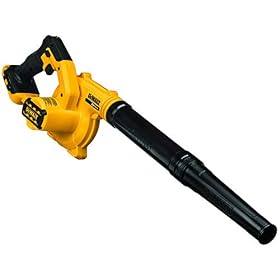
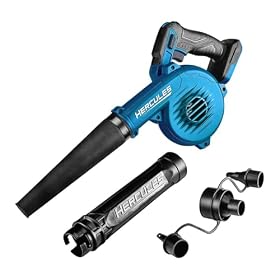
For a paved city lot, the best leaf blower is usually a compact cordless or corded model with controllable airflow, manageable noise, and enough runtime for sidewalks, driveways, patios, and small parking areas.
Best blower for a paved city lot
For a paved city lot, choose a compact leaf blower that is easy to control around cars, windows, doorways, and neighboring properties. A cordless blower is usually the most convenient choice for short cleanup jobs, while a corded model can make sense when you have a nearby outdoor outlet and want continuous power. Prioritize usable airflow, low weight, noise control, and maneuverability over the highest advertised speed.
What works best on a paved city lot?
A small-to-medium electric leaf blower is generally the best fit for paved areas such as:
City driveways and sidewalks
Patios and decks
Small parking pads
Walkways around townhomes or row houses
Garages, porches, and stoops
Paved surfaces do not require the same sustained power as thick lawns or large properties. Leaves, grass clippings, light litter, and dust can usually be moved with moderate airflow. Excessive power may simply scatter debris into the street, a neighbor’s yard, or parked vehicles.
For most city lots, look for a blower that is:
Light enough to carry and control with one hand
Narrow or adjustable at the outlet for directed airflow
Equipped with variable-speed control or more than one power setting
Battery-powered if outlets are inconvenient
Corded if cleanup is frequent and the work area is close to a suitable outlet
Designed with a noise level appropriate for your neighborhood and local rules
Cordless versus corded blowers
Cordless blowers: best for convenience
A cordless blower avoids extension cords and can be used around a driveway, sidewalk, patio, and parked vehicles without repositioning a cable. This is often the easiest option for a city lot, especially when cleanup takes only a few minutes.
The main tradeoffs are battery runtime, charging time, and the added cost of a battery and charger if they are not included. High-power settings can use a battery quickly, so check the manufacturer’s runtime information and whether it applies to low, medium, or high speed.
A cordless model is a good choice when:
You do not have a convenient outdoor outlet
You need to move around obstacles
You clean up small amounts of debris regularly
Storage space is limited
You value quick setup more than unlimited runtime
Corded blowers: best for continuous short-area work
A corded blower can provide uninterrupted operation as long as it remains connected to a properly rated outdoor extension cord and a suitable outlet. It may be practical for a compact lot where the entire work area is close to the house or garage.
The cord is the main limitation. It can catch on corners, vehicles, fences, and landscaping. Keep the cord behind you, use only an outdoor-rated extension cord suitable for the tool, and follow the blower and extension-cord instructions. Never operate an electric blower in wet conditions unless the manufacturer specifically permits it.
A corded model is a reasonable choice when:
The lot is small and an outlet is close by
You want to avoid battery charging
Cleanup sessions are longer than a typical battery can support
You already have an appropriate outdoor extension cord
Product prices and availability are accurate as of the date/time indicated and are subject to change. Any price and availability information displayed on Amazon.com at the time of purchase will apply to the purchase of this product.
How much CFM and MPH do you need?
Leaf blower specifications commonly list CFM, MPH, or both. They describe different aspects of airflow:
CFM, or cubic feet per minute, indicates how much air the blower moves. It is useful for clearing larger piles or spreading debris across a surface.
MPH indicates air velocity at the outlet. Higher air speed can help loosen wet leaves or debris stuck in cracks, but it does not by itself show how much material the blower can move.
For a paved city lot, a balanced combination of airflow and speed is more useful than chasing the highest number. A narrow nozzle and variable-speed trigger can make a moderately powered blower easier to use than a very powerful model with poor control.
Use lower power near:
Doors and windows
Vehicles
Loose mulch or gravel
Outdoor furniture
Neighbors’ property
Use higher power briefly for damp leaves, debris in expansion joints, or material caught along curbs. If the blower cannot move ordinary dry leaves and grass clippings on a paved surface, inspect the nozzle and air intake before assuming you need a larger unit.
Corded electric blowers for driveways and sidewalks
Product prices and availability are accurate as of the date/time indicated and are subject to change. Any price and availability information displayed on Amazon.com at the time of purchase will apply to the purchase of this product.
Features that matter in a city setting
Variable-speed control
Variable speed helps keep debris in a controlled path. It can also reduce noise, conserve battery power, and prevent dust from being blown toward pedestrians or open windows.
Weight and balance
A blower that feels balanced is easier to aim and less tiring during repeated cleanup. Pay attention to the weight with the battery installed, not just the bare tool weight. A shoulder strap can help with heavier models, but a compact blower is usually more convenient for a small paved lot.
Noise
Noise may be more important than maximum power in a dense neighborhood. Check the manufacturer’s stated sound information if available, and follow local ordinances, property rules, and any restrictions on powered yard equipment. Use the lowest effective speed and wear hearing protection when recommended by the manufacturer.
Nozzle design
A narrow outlet concentrates airflow for cracks, corners, and stubborn debris. A wider outlet can cover more surface but may provide less precise control. If the blower includes interchangeable tubes or nozzles, confirm that the attachments are included rather than optional.
Battery platform
If you already own compatible tools, staying within the same battery system may reduce the need for another charger and battery type. Confirm compatibility carefully: batteries that look similar are not necessarily interchangeable, and voltage or connection differences can matter.
Vacuum and mulching functions
A blower-vacuum can collect leaves, but this feature is not essential for most paved city lots. It adds weight and may require a collection bag, vacuum tube, and maintenance of the impeller. If you mainly move debris to a pile or curbside container, a simple blower is usually easier to handle.
A vacuum function becomes more useful when you need to collect dry leaves from a patio or driveway and do not want to rake them by hand. Check whether the required vacuum tube and bag are included.
Product prices and availability are accurate as of the date/time indicated and are subject to change. Any price and availability information displayed on Amazon.com at the time of purchase will apply to the purchase of this product.
A simple buying decision
Choose a compact cordless blower if you want the easiest setup and your cleanup area is not large enough to demand extended runtime.
Choose a corded blower if you have a nearby outdoor outlet, prefer continuous operation, and can manage an extension cord safely.
Choose a higher-airflow cordless model only if your lot regularly accumulates damp leaves, heavy debris, or material along curbs and cracks. For ordinary dry leaves on pavement, extra power can make control more difficult and may create unnecessary noise.
Product prices and availability are accurate as of the date/time indicated and are subject to change. Any price and availability information displayed on Amazon.com at the time of purchase will apply to the purchase of this product.
Safe and considerate operation
Before blowing, remove sticks, stones, and other objects that could become projectiles. Check the area for pedestrians, pets, open windows, vehicles, and loose outdoor items. Do not direct debris into the street, storm drains, neighboring property, or toward people.
Wear eye protection when debris may be thrown, and follow the manufacturer’s instructions for hearing protection. Avoid blowing during wet weather unless the equipment is specifically rated for those conditions. For corded equipment, keep connections away from standing water and stop immediately if the cord, plug, housing, or battery shows damage.
When a different tool is better
A leaf blower may not be the best choice for every cleanup job. Use a broom for a very small stoop, a rake for leaves mixed into landscaping, or a dustpan for material gathered in a tight corner. A blower is most useful when you need to move loose debris across a broad paved surface quickly.
If local noise rules prohibit powered blowers at the time you need to clean, a broom or push sweeper may be the practical alternative.
FAQ
What type of leaf blower is best for a small paved city lot?
A compact electric blower is usually the best fit. Choose cordless for easy movement and quick setup, or corded if you have a nearby outdoor outlet and want continuous operation.
Is CFM or MPH more important for a paved lot?
Both matter, but neither number should be considered alone. CFM reflects the volume of air moved, while MPH reflects air speed. For pavement, a controllable blower with a balanced combination is usually more useful than one with the highest advertised speed.
Do I need a vacuum-mulcher for a city driveway?
Usually not. A basic blower is lighter and simpler if you only need to move leaves into a pile. A vacuum-mulcher is worth considering when you regularly collect dry leaves from patios or driveways.
Are cordless blowers powerful enough for paved surfaces?
Many cordless blowers are suitable for dry leaves, grass clippings, and light debris on pavement. Check the manufacturer’s runtime information and use the higher power setting only when needed for damp or stubborn material.
Can I use a corded leaf blower with any extension cord?
No. Use an outdoor-rated extension cord that meets the blower manufacturer’s requirements for type, length, and gauge. Inspect the cord before use, keep connections away from water, and follow the equipment instructions.