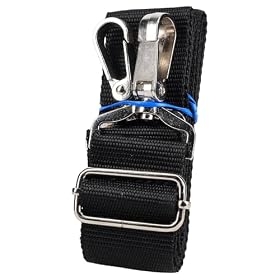
A backpack blower strap usually digs in because the harness is carrying weight in the wrong place, the shoulder straps are too tight, or the padding and frame are not adjusted to your body. Use this fit-check sequence before replacing the blower.
A backpack blower shoulder strap usually digs in because the harness is poorly adjusted, the load is sitting too high or low, or the padding is worn or damaged. Turn the blower off, set it on the ground, and adjust the hip belt, shoulder straps, chest strap, and blower position in that order. The shoulder straps should stabilize the machine—not carry all of its weight.
Start with a safe fit check
Before adjusting the harness, switch off the blower, remove the battery or disconnect the spark-plug wire on a gas model, and let the engine stop completely. Inspect the straps for torn stitching, cracked buckles, exposed edges, or compressed padding. Do not operate the blower with a damaged harness.
Put on the blower over the clothing you normally wear for yard work. Keep loose clothing, cords, and hair away from the intake and fan area.
Adjust the backpack blower harness
1. Set the hip belt first
If the blower has a hip belt, fasten it around your hips rather than high on your stomach. Tighten it until the pack feels supported without restricting breathing. This helps transfer part of the blower's weight away from your shoulders.
If the belt is hanging loose or the blower frame is resting heavily against your shoulders, the shoulder straps will dig in even when their padding is intact.
2. Loosen the shoulder straps before tightening them
Start with both shoulder straps loose. Lift or reposition the blower so the frame sits comfortably against your back, then pull the shoulder adjustments only enough to remove slack.
Overtightening is a common cause of pressure and numbness. You should be able to move your arms naturally, and the straps should not press sharply into your neck, collarbone, or the top of your shoulders.
3. Use the chest strap correctly
If fitted, the chest strap should connect the shoulder straps across your upper chest. Adjust its height and tension so the shoulder straps stay in place without being pulled inward against your neck.
A chest strap that is too high or too tight can make both shoulder straps feel narrower and more painful.
4. Adjust the blower's position
Use the pack-height or frame adjustment if your blower provides one. The right position depends on your body and the blower design, but the machine should sit close to your back without forcing your shoulders forward.
If the top of the frame pushes into your neck, lower or reposition the pack if the adjustment allows it. If the bottom of the frame hits your hips or the shoulder straps carry the full load, raise or reposition it instead.
Make small changes, then walk briefly with the blower switched off. Recheck the fit before starting the machine.
Product prices and availability are accurate as of the date/time indicated and are subject to change. Any price and availability information displayed on Amazon.com at the time of purchase will apply to the purchase of this product.
Check the straps and padding
Look for these physical problems:
Padding compressed flat: Foam that no longer spreads pressure can let the strap edge press directly into your shoulder.
Strap twisted: A twisted webbing strap creates a narrow pressure point.
Stiff or curled strap edge: Heat, age, chemicals, or rough storage can deform the webbing.
Uneven adjustment: One shoulder strap may be shorter, forcing more weight onto the other side.
Damaged buckle or adjuster: A slipping adjuster can gradually tighten one side while you work.
Wrong harness for the blower: A replacement harness must be compatible with the blower's frame and attachment points.
Do not add improvised padding near the fan housing, exhaust, controls, or other hot or moving parts. Follow the manufacturer's instructions for replacement harnesses and pads.
Product prices and availability are accurate as of the date/time indicated and are subject to change. Any price and availability information displayed on Amazon.com at the time of purchase will apply to the purchase of this product.
Check for an airflow or setup problem
A strap problem is usually a harness-fit issue, but an unusually heavy or unstable blower can make the discomfort worse. With the blower off, check that the air intake is clear and that the tube is correctly installed. Remove leaves or debris only as instructed by the manufacturer; never reach into a fan housing.
Check the filter on a gas blower and the intake area on a cordless model. A heavily loaded filter or blocked intake can affect operation and may make the machine feel strained, although it will not fix a badly fitted harness. Clean or replace consumable filters according to the owner's manual.
Also confirm that:
The blower tube is fully seated and secured.
No hose, vacuum attachment, or optional accessory is pulling the blower to one side.
The fuel tank or battery is installed correctly.
A gas blower has no fuel leak, and a cordless blower's battery is latched securely.
The pack frame, fasteners, and mounting points are not loose.
If the blower rocks, shifts, or pulls to one side after the harness is adjusted, stop using it until the frame and attachments are inspected.
Clothing and body position matter
A thin, smooth work shirt can allow the straps to slide and concentrate pressure. A bulky jacket can also change the harness fit. Adjust the blower over the clothing you will actually wear, but do not rely on extra layers to compensate for a damaged or poorly fitted strap.
Keep your back reasonably upright and avoid leaning far forward to counterbalance the tube. Use the tube with two hands when practical, and take breaks before your shoulders become numb or painful. Stop immediately if you feel tingling, loss of sensation, weakness, or sharp pain.
When to replace the harness or blower
A replacement shoulder strap or harness is reasonable when the blower itself runs normally but the webbing, padding, buckle, or adjustment hardware is worn. Match the part to the exact blower model and mounting design; generic-looking straps may not support the pack safely.
Consider replacing the blower—or having it inspected by an authorized service provider—when the frame is cracked, the mounting points are damaged, the machine remains unstable after adjustment, or the blower has a separate mechanical or electrical fault. Do not modify the harness attachment points or continue using a pack that cannot be secured firmly.
If proper adjustment leaves the blower comfortable but the straps still cause recurring pain, the pack may simply be a poor ergonomic match for your body. A different backpack blower design, a lighter blower, or a handheld model may be more practical than trying to force an unsuitable harness to fit.
FAQ
How tight should backpack blower shoulder straps be?
Tighten them only enough to remove slack and keep the blower stable. The hip belt should carry part of the load, while the shoulder straps should not press sharply into your neck or collarbone.
Why does one backpack blower strap hurt more than the other?
The straps may be adjusted unevenly, one adjuster may be slipping, or the blower frame may be sitting off-center. Loosen both straps, center the pack, fasten the hip belt, and readjust them evenly.
Can I add padding to a backpack blower strap?
Use only padding or a harness accessory approved for the blower or designed for safe outdoor equipment use. Do not place material near the intake, exhaust, fan, controls, or hot surfaces, and replace damaged straps instead of masking the problem.
When should I stop using a backpack blower because of shoulder pain?
Stop if you have numbness, tingling, weakness, sharp pain, or a strap that will not stay adjusted. Inspect the harness and consult the owner's manual or a qualified service provider before using the blower again.