If your hand goes numb or your forearm aches during long leaf-blower sessions, the lock-on trigger may not be the only cause. Check grip, blower balance, airflow settings, vibration, and battery weight before replacing the machine.
Long sessions with a leaf blower can cause hand, finger, wrist, or forearm fatigue even when the trigger is locked on. The usual causes are an awkward grip, poor blower balance, excessive airflow, vibration, or a battery that makes the tool front- or rear-heavy. Start with setup and technique before assuming the trigger mechanism is defective.
Check the grip and trigger position
A lock-on trigger should let you relax your index finger, but many users continue squeezing the handle tightly. A tight grip transfers vibration directly into the hand and keeps the forearm muscles under tension.
Try these adjustments:
Keep your wrist as straight as possible rather than bending it toward the ground.
Hold the main handle firmly but not tightly.
Let the other hand support the blower if it has a front or auxiliary handle.
Avoid resting your finger against the trigger or lock button once the blower is running.
Change hand position during natural pauses, but keep both hands on the tool when control is important.
If the lock-on button is difficult to press, sits where your thumb or palm constantly contacts it, or releases unexpectedly, stop using the blower until you check the owner's manual. A damaged control should be repaired or the blower replaced rather than bypassed.
Lower the airflow setting
Running at maximum power for the entire session increases reaction force, noise, vibration, and battery weight demands. It can also make the blower harder to steer, encouraging you to grip the handle more tightly.
Use the lowest setting that moves the material effectively. Lower power is often adequate for dry leaves on pavement, driveways, and patios. Reserve maximum airflow for wet leaves, dense piles, or heavier debris, and use short bursts instead of holding full power continuously.
CFM describes the volume of air moved, while MPH describes air speed. A blower with high advertised air speed is not automatically easier to control. For long sessions, balance, variable-speed control, and a comfortable handle can matter as much as maximum output.
Product prices and availability are accurate as of the date/time indicated and are subject to change. Any price and availability information displayed on Amazon.com at the time of purchase will apply to the purchase of this product.
Check blower balance and battery weight
A cordless blower can feel comfortable at first but become tiring as the battery adds weight to one end of the tool. With the blower switched off and the battery removed when appropriate, inspect how the tool sits in your hand. If the nose constantly drops or the rear pulls downward, your wrist may be compensating throughout the session.
Practical options include:
Use the smaller manufacturer-approved battery when its runtime is sufficient.
Support the blower with the auxiliary handle, if provided.
Keep the tool closer to your body instead of holding it at arm's length.
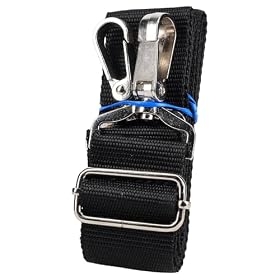
Use a shoulder strap only if the blower manufacturer supports one for that model.
Divide the job into shorter sections rather than carrying a heavy blower continuously.
Do not attach an aftermarket strap or modify the housing unless the manufacturer specifically permits it. A strap that interferes with the controls can create a loss-of-control hazard.
Product prices and availability are accurate as of the date/time indicated and are subject to change. Any price and availability information displayed on Amazon.com at the time of purchase will apply to the purchase of this product.
Look for vibration, a clogged tube, or damaged parts
Unusual vibration can make normal trigger use feel much more tiring. Turn the blower off, remove the battery or unplug it, and inspect the tube and intake area for leaves, twigs, or packed debris. Never reach into a moving blower or use your hand to clear a running unit.
Also check for:
A loose or partially seated blow tube
Cracks or damage around the housing
A blocked intake screen
Debris rubbing against the fan area
A battery that does not lock securely
A cord, plug, or extension connection that is damaged on a corded model
If cleaning the approved areas does not eliminate new or worsening vibration, discontinue use and follow the manufacturer's service instructions. Do not open the motor housing unless you are qualified and the instructions specifically allow it.
Product prices and availability are accurate as of the date/time indicated and are subject to change. Any price and availability information displayed on Amazon.com at the time of purchase will apply to the purchase of this product.
Confirm the lock-on feature is working normally
Lock-on controls differ by model. Some require the trigger to be held while a separate button is pressed; others use a variable-speed selector or cruise control. Read the manual to confirm the correct sequence.
A normal lock-on control should not require excessive thumb pressure or forceful squeezing. Do not tape, wedge, or otherwise defeat a trigger that will not stay engaged. If the control is stiff, sticks, becomes hot, or changes speed without intentional input, unplug the blower or remove its battery and arrange service.
Improve the work pattern
Even a well-balanced blower can cause fatigue when used continuously. Blow debris in the direction of the wind when possible, work in small zones, and avoid repeatedly lifting the tool to shoulder height. Keep the nozzle closer to the ground for leaves rather than aiming it high and fighting the tool's reaction force.
Take brief breaks before your hand becomes numb or painful. Stop immediately for persistent numbness, weakness, sharp pain, or loss of grip, and seek medical advice if symptoms continue after rest.
When a replacement is reasonable
A replacement blower may make sense when the handle and lock-on control are inherently uncomfortable, the tool is badly unbalanced with the batteries you need, or vibration remains after clearing debris and checking the tube. Look for a model with a comfortable handle, usable variable-speed control, a front support handle if appropriate, and a weight that you can manage for the intended session.
A replacement battery is more reasonable when the blower is otherwise comfortable but the current battery is unusually heavy, no longer holds a charge, or does not seat securely. Buy only a battery listed as compatible by the blower manufacturer. Replace a damaged cord, plug, charger, or control assembly rather than continuing to operate the tool.
For occasional small-yard cleanup, changing technique or using a lighter compatible battery may solve the problem. For large properties, several smaller work periods—or a better-balanced blower—may be more effective than trying to hold one heavy tool continuously.
FAQ
Does a lock-on trigger prevent hand fatigue on a leaf blower?
It can reduce the need to keep squeezing the trigger, but it does not eliminate fatigue caused by a tight grip, poor balance, vibration, excessive airflow, or a heavy battery.
Why does my leaf blower make my wrist hurt?
Common causes include a bent wrist, holding the blower too far from your body, fighting the tool's reaction force at high power, or using a blower that is poorly balanced for your hand and battery combination.
Is it safe to tape down a leaf blower trigger?
No. Do not tape, wedge, or modify the trigger or lock-on control. If it will not operate normally, disconnect power and follow the manufacturer's service instructions or have the blower inspected by a qualified professional.
Would a shoulder strap solve leaf-blower trigger fatigue?
A manufacturer-approved shoulder strap may reduce wrist and arm load on a compatible model, but it will not correct a faulty control, excessive vibration, or unsafe balance. Do not add a strap that the manufacturer does not support.