A leaf blower vacuum kit can make deck cleanup faster, but the right setup depends on the debris you collect, the deck surface, and how much wet material the machine can handle.
A leaf blower vacuum kit for a deck is useful when you want to gather leaves, pine needles, and light debris instead of simply blowing them into the yard. For most decks, choose a kit with a manageable vacuum tube, a durable collection bag, a clearing setting for clogs, and enough suction for dry leaves without relying on excessive power that could damage delicate surfaces or scatter debris.
What to look for in a deck vacuum kit
Vacuum and blower functions
A compatible leaf blower vacuum kit normally converts a blower into one of three functions: blowing, vacuuming, or mulching. Confirm that the attachment is made for your exact blower family before buying. Tubes, inlet covers, impellers, wiring, battery platforms, and mounting points are often model-specific.
For deck cleanup, the vacuum function should be easy to switch on and off. Blowing is usually better for moving a large pile toward one area, while vacuuming is more useful for collecting debris trapped between boards, around railings, or beneath furniture.
Suction and airflow
Manufacturers may list airflow in CFM and air speed in MPH. CFM describes the volume of air the blower moves; air speed describes how fast air exits the tube. Vacuum performance can be affected by the intake opening, tube design, impeller, bag resistance, and the type of debris being collected.
For a deck, raw air speed is not the only consideration. A narrow, controllable tube can be more useful than maximum power because it helps avoid blowing leaves into the yard or disturbing lightweight objects. If the product lists separate blower and vacuum specifications, compare the vacuum airflow rather than relying only on the blower MPH figure.
Mulching ratio and impeller design
The mulching function breaks leaves into smaller pieces before they enter the collection bag. A higher stated mulching ratio can reduce how often you empty the bag, but the result depends on the material. Dry leaves usually mulch more easily than wet leaves, pinecones, sticks, or gravel.
Avoid vacuuming hard objects on a deck. Small stones, screws, broken plastic, and large twigs can damage the impeller or become dangerous projectiles if the machine is switched back to blower mode. A metal impeller may offer more durability for suitable yard debris, while a plastic impeller can be lighter and quieter; the manufacturer’s approved material list matters more than the material alone.
Collection bag design
A deck cleanup kit should have a bag that is easy to attach, remove, carry, and empty. Useful features can include a shoulder strap, a wide opening, a zipper that does not catch easily, and a connection that seals securely to the vacuum outlet.
Check the bag capacity and fabric before buying. A smaller bag may be easier to carry on stairs and around railings, while a larger bag reduces emptying stops but can become heavy quickly. If the bag fills with fine dust, airflow may drop even when the blower motor is working normally.
Corded versus cordless kits
Cordless kits
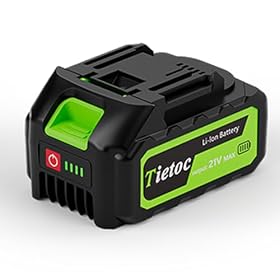
Cordless systems are convenient on raised decks, stairs, and areas far from an outlet. They avoid dragging a cord around railings and furniture. The tradeoff is runtime, battery weight, charging time, and the cost of a compatible battery if one is not included.
Check whether the listing includes the battery and charger or only the attachment. Also verify the voltage or battery platform, because a kit designed for one battery system may not fit another even if the tools look similar.
Corded kits
Corded blowers can provide consistent operation for longer cleanup sessions and may cost less when the tool and battery are not already owned. They require careful cord management, especially on elevated decks, wet surfaces, and stairs.
Use only an outdoor-rated extension cord and a properly protected outlet as specified by the manufacturer. Keep the cord away from the intake, walking paths, water, and sharp deck edges. If the cord must cross a traffic area, a cordless option may be the safer and more practical choice.
Gas-powered systems
Gas-powered equipment is usually more power than a typical deck cleanup requires. It can be heavier, louder, and less convenient around outdoor living spaces. Consider it mainly when the same machine will also handle large property cleanup and the manufacturer provides a compatible vacuum conversion kit.
Product prices and availability are accurate as of the date/time indicated and are subject to change. Any price and availability information displayed on Amazon.com at the time of purchase will apply to the purchase of this product.
Is vacuuming safe for a deck?
Use the vacuum function only on debris the manufacturer permits. Start with dry leaves and light, loose material. Keep the intake slightly above the surface rather than pressing it into deck boards, gaps, gravel, or decorative stone.
For wood or composite decking:
Sweep or pick up screws, stones, toys, and other hard objects first.
Avoid forcing the tube into board gaps.
Use lower power when possible around loose finishes, splinters, or lightweight trim.
Do not vacuum wet, packed debris unless the instructions specifically allow it.
Keep the intake away from screens, curtains, outdoor cushions, and loose fabric.
Wear eye protection and hearing protection, and keep people and pets away from the work area.
A leaf vacuum is not a wet/dry vacuum. Moist leaves can clog the tube, overload the impeller, and make the collection bag heavy. Let damp debris dry when practical, or remove it with a broom or hand tool.
Product prices and availability are accurate as of the date/time indicated and are subject to change. Any price and availability information displayed on Amazon.com at the time of purchase will apply to the purchase of this product.
How to choose the right kit for your deck
For a small deck
Prioritize low weight, easy tube control, and a compact collection bag. A cordless blower with a compatible vacuum attachment can be convenient, particularly when the deck has stairs or no nearby outlet. A small bag is not a serious drawback when the cleanup area is limited.
For a large deck or screened porch
Look for a longer reach, an adjustable tube, a shoulder strap, and a bag connection that stays secure during movement. If the deck has many railings or pieces of furniture, maneuverability may matter more than maximum airflow.
For pine needles and fine debris
Choose a kit with an intake and bag designed to maintain airflow with smaller particles. Keep the bag clean and empty it before it becomes tightly packed. Fine debris can reduce suction sooner than large, dry leaves.
For wet leaves or mixed debris
A leaf blower vacuum may be the wrong tool if the material is consistently wet, compacted, or mixed with gravel. Use a broom, rake, scoop, or an appropriately rated wet/dry vacuum instead. Never assume a standard leaf vacuum can safely handle wet material.
Product prices and availability are accurate as of the date/time indicated and are subject to change. Any price and availability information displayed on Amazon.com at the time of purchase will apply to the purchase of this product.
Compatibility checklist before buying
Before ordering, compare the kit with the exact blower model or product family:
Confirm the manufacturer lists the attachment as compatible.
Check whether the blower requires a vacuum inlet cover, lower tube, upper tube, or conversion adapter.
Verify whether the collection bag and shoulder strap are included.
Check whether a battery, charger, or extension cord is sold separately.
Confirm that the kit supports the blower’s power source and battery platform.
Look for restrictions on wet leaves, pinecones, sticks, gravel, or other debris.
Check replacement-part availability for the bag, tubes, impeller, and inlet components.
Do not force an attachment that does not fit. An improvised connection can leak debris, expose the impeller, or create a safety hazard.
Product prices and availability are accurate as of the date/time indicated and are subject to change. Any price and availability information displayed on Amazon.com at the time of purchase will apply to the purchase of this product.
Common problems and quick fixes
The vacuum has weak suction
Empty the collection bag first, then inspect the bag fabric and intake for packed dust or leaves. Check the tube for a blockage and confirm that every connection is fully seated. If the kit uses an inlet cover or conversion switch, verify that it is installed in the correct position.
If suction remains weak, inspect the impeller for damage only after unplugging the machine or removing the battery and following the manufacturer’s instructions. Do not reach into the intake while the tool is connected to power.
The tube keeps clogging
Stop the machine before clearing the obstruction. Look for wet leaves, long grass, sticks, pinecones, or other material that exceeds the approved intake size. Empty the bag more often and allow damp debris to dry. Continued clogging with normal dry leaves may indicate an unsuitable attachment, a restricted tube, or a damaged impeller.
Dust escapes from the bag
Check the bag zipper, seams, and connection collar. A bag that is overfilled or wet may leak dust and restrict airflow. Replace a torn or badly worn bag rather than trying to operate with an unsecured collection system.
The impeller makes unusual noise
Turn the machine off and disconnect its power source. Inspect for a hard object, broken impeller, or loose component only as far as the manufacturer permits. If the noise continues, stop using the tool and arrange service or replace the damaged part. Do not operate a vacuum kit with a cracked housing or exposed impeller.
When a replacement kit or blower makes more sense
Replace the vacuum kit when the collection bag, tube, or conversion cover is damaged and the part is available separately. Replacing the individual part is generally more economical and reduces waste when the blower motor still works properly.
A replacement blower may be more reasonable when the current tool has a failing motor, repeated electrical faults, severe impeller damage, an obsolete battery platform, or no compatible vacuum attachment. Electrical repairs and internal motor work should follow the manufacturer’s service guidance or be handled by a qualified professional.
FAQ
Can any leaf blower use a vacuum kit?
No. Vacuum tubes, inlet covers, bags, impellers, and mounting points are commonly model-specific. Buy only an attachment the manufacturer identifies as compatible with your exact blower or product family.
Is a leaf blower vacuum safe for composite decking?
It can be suitable for dry leaves and light debris when used according to the instructions. Keep the intake above the surface, avoid board gaps, and remove stones, screws, and other hard objects first.
Can I vacuum wet leaves from a deck?
Only if the manufacturer specifically permits wet material. Standard leaf blower vacuum kits commonly work best with dry leaves; wet debris can clog the tube, overload the impeller, and make the bag unnecessarily heavy.
Should I choose a corded or cordless deck vacuum kit?
Choose cordless for easier movement around stairs, railings, and furniture. Choose corded when you need uninterrupted runtime and have a safe outdoor-rated power setup. Confirm what accessories, batteries, and chargers are included.