A cold gas leaf blower usually starts with fresh, correctly mixed fuel, a few presses of the primer bulb, the choke in the start position, and several firm pulls of the starter rope. Put the blower on level ground outdoors, keep the tube away from people and objects, and follow the starting labels and instructions for your specific model.
Troubleshooting · Mon Sep 07
How to Start a Cold Gas Leaf Blower
Starting a cold gas leaf blower usually requires fresh fuel, the primer bulb, a closed choke, and a controlled pull-start sequence. Follow the steps below, then troubleshoot fuel, airflow, and ignition if the engine will not start.
Before starting
- Move outdoors. Never start or run a gas leaf blower inside a garage, shed, vehicle, or other enclosed space. Engine exhaust contains carbon monoxide.
- Inspect the blower. Check that the tubes are attached, the air intake is clear, and the starter cord, fuel tank, and fuel lines do not appear damaged.
- Use the specified fuel. Two-stroke blowers generally require gasoline mixed with two-stroke oil at the ratio listed in the owner’s manual. Four-stroke models use gasoline and engine oil separately. Do not guess the mixture.
- Check the fuel condition. Old, contaminated, or incorrectly mixed fuel can prevent starting and damage the engine. If the blower has been stored for a long time, drain and replace questionable fuel according to the manufacturer’s instructions.
- Set the controls. Place the ignition switch in the ON or RUN position. If the blower has a variable throttle, set it to the idle or start position unless the manual specifies otherwise.
Replacement spark plug
 AOLKKSI 4229 120 1800 Air Filter Tune Up Kit for Stihl BG55 BG85 BG45 BG46…AOLKKSI
$5.99 as of
View on Amazon Aylux PB580T Ignition Coil With Spark Plug Fits Echo Backpack Leaf BlowerAylux
$16.99 as of
View on Amazon 5 Pcs Spark Plug CMR4A OEM 590710201 Fit For Brushcutter Blower HQT-4LUZDYJMG
$29.33 as of
View on Amazon
Product prices and availability are accurate as of the date/time indicated and are subject to change. Any price and availability information displayed on Amazon.com at the time of purchase will apply to the purchase of this product.
Cold-start procedure
1. Prime the engine
Press and release the primer bulb several times. The exact number varies by model, so use the number in the manual or on the blower. The bulb may not fill completely on every design; avoid repeatedly pressing it far beyond the stated procedure.
If the primer bulb never moves fuel, check for an empty tank, a loose or cracked fuel line, or a damaged bulb. Do not continue pulling the starter indefinitely when the primer system is not working.
2. Close the choke
Move the choke lever to FULL CHOKE, CLOSED, or the position marked for a cold start. A cold engine needs a richer fuel mixture than a warm engine.
3. Pull the starter rope
Place the blower securely on the ground if the manufacturer’s instructions call for ground starting. Hold it firmly, keep clear of the blower tube, and pull the starter handle with a smooth, firm motion. Do not wrap the rope around your hand, and do not let the handle snap back uncontrolled.
Pull until the engine briefly coughs, pops, or tries to run. This first response means the engine is beginning to fire; it is not necessarily a successful start.
4. Open the choke gradually
Move the choke to the HALF-CHOKE or intermediate position if your blower has one, then pull again. Once the engine runs, move the choke to RUN or OPEN as the engine warms. Opening the choke too quickly can make a cold engine stall; leaving it closed too long can flood the engine.
Let the engine stabilize at idle before increasing the throttle. Do not point the tube at loose gravel, animals, people, or nearby property.
Replacement air filter
 Air Filter For Echo PB8010 PB-8010T PB-8010H PB9010 PB-9010H PB9010T BlowerCarburionix
$19.99 as of
View on Amazon 3PCS Air Filter For Echo PB8010 PB-8010T PB-8010H PB9010 PB-9010H BlowersCarburionix
$19.77 as of
View on Amazon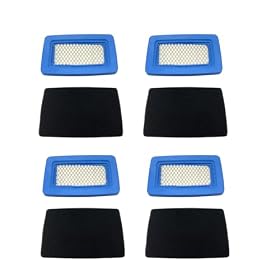 4Pack Air Filter With Pre Filter Compatible with Echo PB760LHN PB760LNT PB770H PB770T 90123 90122…Ulifebet
$17.99 as of
View on Amazon
Product prices and availability are accurate as of the date/time indicated and are subject to change. Any price and availability information displayed on Amazon.com at the time of purchase will apply to the purchase of this product.
If the blower does not start
Work through the likely causes in this order rather than repeatedly pulling the starter.
Check the fuel and fuel mixture
Confirm that the tank contains the correct fuel and that the fuel shutoff, if fitted, is open. For a two-stroke blower, verify the gasoline-to-oil ratio in the manual. Incorrect fuel can cause hard starting, excessive smoke, poor running, or engine damage.
If the fuel is old or smells stale, replace it using the manufacturer’s procedure. Dispose of old fuel according to local requirements. Never drain or handle fuel near flames, sparks, hot surfaces, or a running engine.
Check the primer and choke
Make sure the ignition switch is actually in the run position and that the choke is closed for a cold start. If the primer bulb stays empty, is cracked, or collapses, the fuel-delivery system may need a replacement bulb or service.
Check for a flooded engine
A strong fuel smell, wet spark plug, or repeated starting attempts with the choke closed can indicate flooding. Stop pulling the starter and follow the model’s flooded-engine procedure. This commonly involves allowing the blower to sit briefly, moving the choke to open or run, and pulling the starter several times without additional priming. Keep the blower outdoors and away from ignition sources.
Inspect the air filter
A dirty air filter restricts airflow and can make starting difficult or cause the engine to stall. Remove and clean or replace the filter only as directed by the manual. Foam and paper filters require different care, and some filters should not be washed.
Inspect the spark plug
Disconnect the spark-plug boot before inspecting the plug. Look for a loose connection, heavy deposits, damage, or a wet electrode. Use the exact replacement type and gap specified for the blower. If you are not comfortable working around the ignition system, have a qualified small-engine technician handle it.
Look for fuel or air leaks
Cracked fuel lines, loose connections, damaged tank seals, or a loose carburetor connection can stop the engine from receiving the correct mixture. Do not operate a blower that leaks fuel. Replace the damaged part or arrange service before attempting to run it.
Replacement primer bulb
 530047721 Primer Bulb for Hitachi RB24EAP 23.9cc Handheld BlowerUpStart Components
$3.99 as of
View on Amazon 261874 Primer Bulb Fits Maruyama Leaf BlowersReliable Aftermarket Parts
$8.38 as of
View on Amazon- AOLKKSI 4229 120 1800 Air Filter Tune Up Kit for Stihl BG55 BG85 BG45 BG46…AOLKKSI
$5.99 as of
View on Amazon
Product prices and availability are accurate as of the date/time indicated and are subject to change. Any price and availability information displayed on Amazon.com at the time of purchase will apply to the purchase of this product.
When to stop troubleshooting
A replacement spark plug, air filter, primer bulb, or fuel line may be reasonable when the part is visibly damaged or fails a basic inspection. If fresh, correctly mixed fuel, the proper cold-start sequence, and a clean air filter do not solve the problem, the carburetor, ignition, compression, or internal engine may need diagnosis.
Stop using the blower if it leaks fuel, has damaged wiring or controls, produces unusual smoke, or shows signs of mechanical damage. For carburetor adjustment, compression problems, or electrical faults, follow the manufacturer’s service instructions or use a qualified professional. If repair costs approach the cost of a suitable replacement and the blower is heavily worn, replacing the unit may be the more practical choice.
FAQ
Why will my gas leaf blower not start when cold?
Common causes include stale or incorrect fuel, an empty or faulty primer bulb, an open choke, a clogged air filter, a flooded engine, or a spark-plug problem. Check these items in that order and follow the model’s starting instructions.
Should the choke be open or closed when starting a cold leaf blower?
Usually, the choke should be closed or set to full choke for the initial cold start. Once the engine coughs or begins running, move the choke gradually toward open or run. The exact labels and sequence vary by model.
How many times should I press the primer bulb?
The required number varies by leaf blower. Use the number printed on the machine or listed in the owner’s manual. If the bulb does not move fuel, inspect the fuel supply, bulb, and fuel lines instead of continuing to prime.
Can I start a gas leaf blower indoors?
No. Start and operate it outdoors in a well-ventilated area because the engine produces carbon monoxide and other exhaust gases. Keep the blower away from doors, windows, vents, flames, and ignition sources.