Blower for a gravel driveway without launching rocks
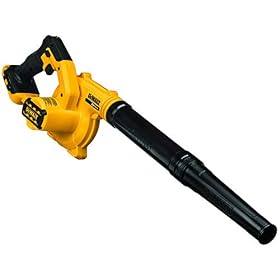
The best blower for a gravel driveway is one with adjustable speed and a controllable airflow—not simply the highest MPH rating. Use a wide nozzle, start at low power, and direct air across the surface rather than straight into the gravel.
What do you need help with?
Open an answer, or tell us what we should cover next.
Answered in this guide
Compare advertised airflow with how well a blower clears debris
Advertised MPH alone does not show gravel-driveway performance. Compare airflow volume, speed control, and nozzle control with whether the blower moves leaves without launching stones.
Choose a blower that will not move driveway gravel
Look for variable-speed control, a controllable nozzle, and a suitable power source. Gradual airflow adjustment matters more than maximum power when clearing leaves over loose gravel.
Blowing is easier when gravel is larger, settled, and firmly compacted. Small, loose stones are more likely to move and create projectile hazards during cleanup.
Wear eye and hearing protection, closed-toe shoes, long pants, and gloves as appropriate. These precautions help reduce harm from dust, gravel, and other blown debris.
Request a topic and help us choose what to build next.
Choose an alternative tool when blowing is unsuitable
Compare cordless, corded, and gas blowers for your driveway
Collect leaves with a blower vacuum and mulcher
Replace or level gravel moved during cleanup
Requests help us prioritize the next guide. No email required.
One anonymous request per topic.
A variable-speed leaf blower with a controllable, moderate airflow is the safest choice for a gravel driveway. Start at the lowest useful setting, hold the nozzle several inches above the surface, and aim across the driveway instead of directly down at the stones. A high-powered blower on full speed can scatter gravel, damage nearby surfaces, or throw stones toward people, vehicles, and windows.
What to look for in a gravel-driveway blower
Variable-speed control
Speed control is the most important feature. A trigger or dial that lets you gradually increase airflow makes it easier to clear leaves without immediately disturbing the gravel.
Avoid choosing solely by the highest advertised MPH or CFM. Maximum output can be useful for wet leaves or large lawns, but it is harder to control on loose stone. A blower with a low starting speed and a smooth trigger is generally more useful than one that only offers maximum power.
A trigger lock or cruise-control feature can also help during longer jobs, provided it does not prevent you from quickly reducing the airflow.
A controllable nozzle
The nozzle affects how concentrated the airflow is:
Narrow nozzles concentrate air into a faster stream and are more likely to move gravel.
Wide nozzles spread the airflow over a larger area and are usually easier to control on loose surfaces.
Round or tapered nozzles can be useful for general cleanup, but the narrowest tip should be used cautiously around gravel.
If the blower includes interchangeable tubes or nozzles, choose the wider attachment for the driveway. Keep a narrow nozzle for clearing leaves from lawn edges or tight gaps where loose stone is not a concern.
A suitable power source
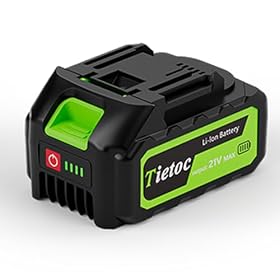
Cordless blowers are convenient for driveways because there is no extension cord to drag over gravel or around vehicles. Choose a battery system with enough run time for the area you need to clear, and remember that higher speed settings generally use the battery faster.
Corded blowers can work well if the driveway is close to an outlet, but use only an outdoor-rated extension cord and follow the blower manufacturer’s instructions. Keep the cord away from wet areas, traffic, and the blower’s intake. If the cord must cross a driveway where vehicles travel, a cordless model is usually the safer and more practical choice.
Gas blowers can provide strong output, but their extra power may be unnecessary for light leaf removal on gravel. They also require fuel, maintenance, and careful handling around dust and loose debris.
CFM versus MPH for loose gravel
CFM describes the volume of air the blower moves. MPH describes the speed of the air leaving the nozzle. Both affect performance, but neither number alone tells you exactly how gently the blower will behave on a particular driveway.
For gravel, controllability matters more than maximum output. A blower with very high air speed can launch small stones even if the total air volume is not especially high. Conversely, a blower with substantial air volume may clear a broad area effectively when used with a wide nozzle and a low setting.
When comparing models, prioritize these features in roughly this order:
Adjustable speed control
A manageable low-speed setting
A wide or removable nozzle
Comfortable handling and good balance
Enough airflow for the leaves and debris you normally remove
Maximum CFM and MPH only after the control features meet your needs
Manufacturers may measure CFM and MPH differently, so treat published figures as a general comparison rather than a guarantee of how the blower will behave on your gravel type.
Product prices and availability are accurate as of the date/time indicated and are subject to change. Any price and availability information displayed on Amazon.com at the time of purchase will apply to the purchase of this product.
How to blow leaves without scattering gravel
1. Remove large stones from the surface first
Before using the blower, pick up unusually large, loose, or damaged stones near the area you will clean. A blower can turn a small piece of gravel into a projectile, especially near windows, vehicles, and people.
2. Start at the lowest setting
Test the blower in a small, inconspicuous section. Increase the speed only until the leaves begin to move. If gravel shifts, reduce the setting, raise the nozzle, or switch to a wider attachment.
3. Hold the nozzle at a shallow angle
Aim the airflow across the top of the gravel rather than straight down into it. A shallow angle helps lift leaves while reducing the force pushing directly against the stones.
Keep the nozzle several inches above the surface. Moving it too close concentrates the air and makes gravel more likely to scatter.
4. Work in short, controlled passes
Move leaves toward a planned collection area instead of chasing individual leaves around the driveway. Use slow side-to-side passes and pause if the gravel begins to move.
It is often easier to clear the driveway in sections, working from the highest area toward the edge or a lawn border. Avoid blowing debris toward roads, pedestrians, parked vehicles, or neighboring property.
5. Finish difficult areas by hand
For leaves trapped between stones, along garage thresholds, or around drainage grates, use a rake, broom, or gloved hand rather than increasing blower speed. This is slower but reduces the chance of throwing gravel.
Product prices and availability are accurate as of the date/time indicated and are subject to change. Any price and availability information displayed on Amazon.com at the time of purchase will apply to the purchase of this product.
What type of gravel is easiest to blow over?
The risk depends on the stone’s size, shape, depth, and how firmly it is compacted. Small, loose stones are generally easier to move than larger, settled gravel. A newly installed or freshly raked driveway may require especially gentle airflow until the surface settles.
Loose decorative stone around landscaping can be more difficult than compacted driveway gravel. Be cautious around edging, gravel paths, and areas where stones have accumulated in piles. Blowing from the wrong direction can spread them into grass or garden beds.
Product prices and availability are accurate as of the date/time indicated and are subject to change. Any price and availability information displayed on Amazon.com at the time of purchase will apply to the purchase of this product.
Features that are less important than they seem
Maximum power
More power does not automatically mean better driveway performance. Excess airflow can create more cleanup by spreading gravel and leaves in every direction.
Turbo mode
A turbo or boost setting may help with wet debris, but it is usually not the setting to use on loose gravel. If a blower has one, reserve it for stable surfaces such as pavement or compacted areas, and keep the nozzle away from stones.
Vacuum and mulching functions
Vacuum and mulching attachments are not necessary for blowing a gravel driveway. They can be useful elsewhere in the yard, but avoid vacuuming loose gravel unless the manufacturer specifically says the attachment is suitable for that material. Stones can damage an impeller, clog the tube, or tear a collection bag.
Safe operating practices
Wear eye protection and hearing protection as recommended by the manufacturer. Closed-toe shoes, long pants, and gloves can help protect against dust and small debris. Keep children, pets, bystanders, and vehicles away from the blowing area.
Before starting, inspect the driveway for glass, wire, metal fragments, and larger stones. Do not point the blower at people or animals, and avoid operating it in conditions where dust or debris could reduce visibility.
If the driveway borders a public road, do not blow gravel into traffic. Sweep or collect stones that have migrated onto the roadway instead.
When a blower is not the right tool
A leaf blower may be a poor choice when the driveway has very loose stone, steep slopes, heavy wet debris, or a large amount of gravel mixed with leaves. In those situations, a leaf rake, stiff outdoor broom, or careful hand collection may provide better control.
If gravel repeatedly moves even at the lowest blower setting, stop using the blower on that surface. Repeatedly redistributing the stones can thin some areas of the driveway and leave piles along edges or drainage paths.
Bottom line
Choose a leaf blower with variable speed, a gentle low setting, and a wide or controllable nozzle. Do not select based on maximum MPH alone. Start slowly, hold the nozzle above the gravel at a shallow angle, and use a rake or broom for stubborn debris. If the surface still shifts, the safest solution is to use a manual tool rather than a more powerful blower.
FAQ
What is the best blower speed for a gravel driveway?
Use the lowest setting that moves the leaves. Test a small area first and reduce the speed or raise the nozzle if the gravel begins to shift.
Should I use a narrow nozzle on gravel?
Usually not. A narrow nozzle concentrates airflow and can launch stones. A wider nozzle is generally easier to control, but test it at low speed before clearing the full driveway.
Is CFM or MPH more important for blowing leaves off gravel?
Neither number is sufficient by itself. Variable-speed control, a manageable low setting, and nozzle design matter more because they determine how gently you can move leaves without disturbing the stones.
Can I use a leaf blower vacuum on gravel?
Only if the manufacturer specifically allows it. Loose stones can damage the impeller, clog the tube, or damage the collection bag, so hand collection or a rake is safer unless the attachment is approved for that material.