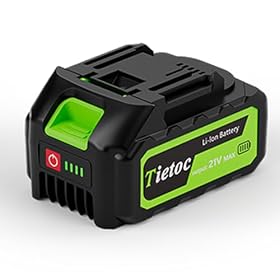
A leaf blower often dies in tall wet grass because the wet material restricts airflow, overloads the motor, clogs the intake, or exposes a weak battery, dirty filter, or fuel problem. Check the airflow path and power source before assuming the blower needs replacement.
A leaf blower that dies in tall wet grass is usually being overloaded or starved of airflow—not necessarily suffering from a failed motor. Wet grass is heavy and sticks together, so it can block the tube or intake, force the blower to work harder, and quickly drain a battery. Stop the blower, disconnect its power source, and work through the checks below before restarting it.
Start with the wet grass itself
Most handheld leaf blowers are designed to move loose leaves and dry debris. Tall, wet grass is a much harder material to move because it clumps together and resists the air stream.
Try these adjustments first:
Raise the blower tube slightly above the grass instead of pressing it into the blades.
Work in short passes rather than holding full power continuously.
Clear a narrow path through the grass before attempting a larger area.
Use the lowest effective speed if the blower has variable speed control.
Avoid blowing large wet clumps toward fences, drains, or other places where they can collect and block airflow.
If the blower runs normally when moving dry leaves or loose debris, the wet grass may be beyond its practical operating range rather than evidence of a fault.
Check the filter and air intake
A dirty engine air filter can restrict the air needed by a gas blower. On some models, a clogged filter can cause the engine to bog down or stop when you open the throttle. Battery and corded models can also lose performance when grass, mud, or debris blocks the cooling-air intake.
Turn the blower off and follow the manual’s shutdown procedure. Remove the battery or unplug a corded unit. For a gas model, allow the engine to cool before inspecting it.
Then:
Inspect the engine air filter if the blower has one.
Clean or replace the filter according to the manufacturer’s instructions.
Brush wet grass away from cooling vents and the motor housing.
Do not operate the blower with a required filter removed.
Do not spray water into the housing or use compressed air in a way that pushes debris deeper inside.
A foam filter that is saturated, damaged, or permanently clogged generally needs replacement. Paper filters should normally be replaced rather than washed unless the manual specifically permits cleaning.
Product prices and availability are accurate as of the date/time indicated and are subject to change. Any price and availability information displayed on Amazon.com at the time of purchase will apply to the purchase of this product.
Look for a blocked tube, intake, or impeller
Wet grass can stick to the inside of the blower tube and form a plug. If the machine has blower-vacuum capability, grass may also block the intake, impeller area, or vacuum passage.
With the power source removed:
Detach the tube if the design allows it.
Check both ends for packed grass or mud.
Inspect the intake grille and impeller area without reaching into moving parts.
Clear debris with a suitable brush or plastic tool.
Make sure the tube is fully seated and locked before restarting.
Never put your hand into the tube or impeller housing, even when the blower appears to be off. A battery, plug, or ignition system can still present a hazard if the unit is not properly disconnected.
If the tube clogs repeatedly, the material is probably too wet or dense for the blower. Let the grass dry, rake it into smaller piles, or use a rake or lawn tool first.
Product prices and availability are accurate as of the date/time indicated and are subject to change. Any price and availability information displayed on Amazon.com at the time of purchase will apply to the purchase of this product.
Check for air leaks and loose connections
A loose tube, cracked housing, damaged gasket, or missing seal can reduce the air pressure at the nozzle. The blower may sound different, move material poorly, or shut down when the load increases.
Damage from impact, heat, or previous clog removal
Replace a damaged tube, seal, or cover with the correct part for the blower. Do not tape over a damaged rotating or high-temperature area as a permanent repair.
Product prices and availability are accurate as of the date/time indicated and are subject to change. Any price and availability information displayed on Amazon.com at the time of purchase will apply to the purchase of this product.
Confirm the operating setup
Some blowers will not run correctly unless every attachment and safety interlock is installed properly. This is particularly common when switching between blower and vacuum modes.
Check the following:
The blower tube is installed in the correct position.
A vacuum inlet cover is closed if the unit is being used in blower mode.
The vacuum bag is attached and not overfilled when using vacuum mode.
The battery is fully latched into place.
The extension cord is suitable for the blower and fully connected, if applicable.
The choke, primer, and throttle settings match the gas engine’s starting instructions.
Do not bypass an interlock or operate the blower with a cover removed. If the unit only works when an attachment is held or positioned unnaturally, stop using it and inspect the attachment or have it serviced.
Check the battery, fuel, or extension cord
Battery-powered blowers
Tall wet grass can draw much more power than dry leaves. A battery may shut down under load if it is low, cold, worn, or too small for the blower’s power demand. Let the battery cool if it is hot, charge it with the approved charger, and try again only after checking the tube and intake.
If a fully charged, compatible battery still causes repeated shutdowns while the blower works briefly with no load, the battery or blower may need service. Do not use a battery that is swollen, cracked, leaking, unusually hot, or physically damaged.
Gas blowers
For a gas model, old or contaminated fuel, a blocked fuel filter, a dirty spark plug, or a restricted air filter can cause stalling when the engine is placed under load. Use only the fuel type and mixture specified by the manufacturer. Avoid diagnosing fuel-system parts while the engine is hot, and consult the manual or a qualified small-engine technician if basic filter and fuel checks do not resolve the problem.
Corded blowers
A long, undersized, damaged, or loosely connected extension cord can cause voltage drop and motor shutdown. Use the cord type and maximum length specified in the manual. Inspect the plug, cord, and outlet for damage or heat. Stop immediately if the cord, plug, or outlet becomes hot, smells burned, sparks, or trips the breaker.
When the motor or electrical system may be at fault
Motor or electrical problems become more likely when the blower dies even with a clear tube, clean intake, correct setup, and dry, loose material. Warning signs include:
Burning smell or smoke
Unusual grinding, buzzing, or repeated clicking
A housing that becomes abnormally hot
A trigger that works intermittently
A breaker or safety device that trips repeatedly
A gas engine that will not stay running after routine maintenance checks
Disconnect the blower and do not keep resetting a breaker or restarting a unit that overheats. Internal electrical repairs, motor replacement, and fuel-system diagnosis may require a qualified technician. Follow the manufacturer’s service instructions and warranty requirements.
Should you repair or replace the blower?
A replacement filter, tube, seal, vacuum bag, or compatible battery can be reasonable when the blower otherwise runs normally and the problem has a clear, inexpensive cause. Replace the unit or seek professional service when the motor repeatedly overheats, the housing or impeller is damaged, the battery system has failed, or repair costs approach the value of a suitable replacement.
For frequent work in tall or wet grass, a rake or lawn mower may be more effective than a leaf blower. If you still need a blower, choose one with enough airflow for the material and yard size, but remember that published CFM and MPH figures do not make wet, matted grass equivalent to dry leaves. Technique and material moisture remain important limits.
FAQ
Why does my leaf blower stop in wet grass but work on dry leaves?
Wet grass is heavier and clumps together, which can block the tube or intake and place a much higher load on the blower. Let the grass dry, clear smaller sections, raise the tube above the grass, and inspect the filter and airflow path.
Can wet grass damage a leaf blower?
It can contribute to clogs, overheating, impeller wear, and corrosion if moisture enters areas not intended for water. Follow the manual, keep water away from the motor and electrical housing, and stop using the blower if it overheats or makes unusual noises.
Why does my battery leaf blower shut off under load?
A low, hot, cold, worn, or undersized battery may shut down when the blower encounters dense wet grass. Check for clogs first, allow the battery to reach the manufacturer’s recommended temperature range, and use an approved fully charged battery.
Is it safe to clear a blower clog while the battery is installed?
No. Turn the blower off and remove the battery or unplug the cord before clearing a clog. For gas models, follow the manual’s shutdown procedure and allow the engine to cool. Never reach into the tube or impeller housing.