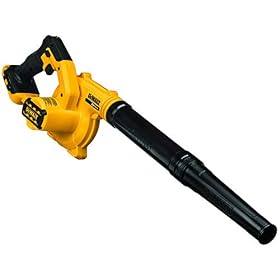
The best leaf blower for gutters combines controlled airflow, enough reach, and a manageable weight. Here is how to choose between corded, cordless, and gas models—and when a blower is not the safest option.
Best leaf blower for gutters
The best leaf blower for gutters is usually a lightweight model that works with a compatible gutter-cleaning tube or extension kit. Look for controllable airflow, enough reach to keep your feet on the ground, and a power source that matches the size of the job. A blower can clear dry leaves and loose debris effectively, but packed, wet material may require manual removal or another tool.
What to look for in a gutter leaf blower
Airflow: CFM matters more than speed alone
Leaf blower specifications commonly list CFM—the volume of air moved—and MPH—the speed of that air. For gutters, CFM is important because the tool must move leaves along the channel and out of the downspout. A high MPH rating can help loosen stubborn debris, but speed alone does not indicate how much material the blower can clear.
A variable-speed trigger or multiple power settings is especially useful. Lower airflow helps prevent debris from spraying over the roof edge, while higher airflow can move heavier piles. Use the lowest setting that does the job, particularly near shingles, flashing, screens, and painted surfaces.
Reach and gutter-kit compatibility
A blower is only practical for ground-level gutter cleaning if its tube or accessory can reach the gutter without requiring a ladder. Check whether the manufacturer offers a compatible gutter-cleaning attachment, extension tubes, or curved end pieces for the specific blower.
Before buying, confirm:
The attachment fits the blower outlet.
The extension is long enough for the height of your gutters.
The assembled tube remains manageable at full reach.
The outlet angle directs debris away from the building.
The kit does not block the blower's air path.
Universal kits may fit several blower outlets, but fit is not guaranteed. A loose connection can reduce airflow and allow the tube to detach during use.
Weight and balance
Gutter attachments add length and leverage, so a blower that feels light at the handle can become tiring when extended overhead. A compact handheld model is often easier to control than a large backpack or heavy-duty unit for short residential jobs.
Pay attention to the tool's balance, not just its listed weight. Battery placement, handle design, and tube length all affect how much force is needed to keep the nozzle pointed into the gutter.
Corded vs. cordless leaf blowers for gutters
Cordless models
Cordless blowers are convenient when cleaning multiple sides of a house because there is no extension cord to drag around. They are also easier to use around ladders, walkways, and landscaping.
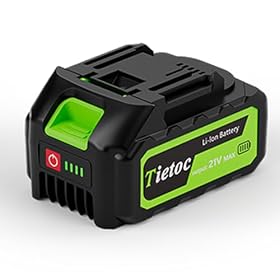
The main tradeoffs are runtime, battery weight, charging time, and the cost of buying an additional battery. Cold weather, high power settings, and repeated cleaning can reduce usable runtime. If the gutter attachment requires sustained high power, consider a model with a battery system that offers a suitable runtime and an available replacement battery.
Keep the battery and charger dry, and follow the manufacturer's charging and storage instructions.
Corded models
A corded blower can provide consistent power for a long cleaning session and may be a practical choice if an outdoor-rated outlet is close to the work area. However, the cord can snag on landscaping or create a trip hazard, and it must be kept away from wet conditions.
Use only an outdoor-rated extension cord of the size and length specified by the blower manufacturer. Connectors should remain off the ground and away from water. Never use a corded blower in rain or when standing on a wet surface.
Gas models
Gas blowers can deliver strong airflow and long operation between refueling, but they are generally louder, heavier, and less convenient for a short gutter-cleaning job. Exhaust and noise also make them less suitable around enclosed spaces or close neighbors. Never operate a gas-powered blower inside a garage, attic, or other enclosed area.
Product prices and availability are accurate as of the date/time indicated and are subject to change. Any price and availability information displayed on Amazon.com at the time of purchase will apply to the purchase of this product.
Can a leaf blower remove wet leaves from gutters?
Usually, a blower works best on dry leaves, pine needles, and loose surface debris. Wet leaves can stick to the gutter bottom, while compacted organic material may resist even strong airflow. Blowing repeatedly at stuck material can waste battery power and scatter muddy debris without clearing the channel.
For wet or packed debris, consider loosening it by hand from a safe position, using a gutter scoop, or hiring a professional. Do not lean over the roof edge to reach a blockage. A wet/dry vacuum may help in some setups, but only when the equipment and attachments are specifically suitable for the task.
Product prices and availability are accurate as of the date/time indicated and are subject to change. Any price and availability information displayed on Amazon.com at the time of purchase will apply to the purchase of this product.
Safer ways to use a leaf blower for gutters
A gutter blower attachment can reduce ladder use, but it does not eliminate all risk. Before starting:
Check the weather, roof, and ground conditions. Avoid rain, wind, ice, and slippery surfaces.
Inspect the blower, tube, battery, cord, and attachment for damage.
Wear eye protection, hearing protection, gloves, long pants, and sturdy shoes.
Keep people, pets, vehicles, and fragile items away from the discharge area.
Start at low power and increase it only as needed.
Work from the ground whenever the attachment provides adequate reach.
Stop if the tube catches, vibrates unusually, or becomes difficult to control.
Turn the blower off and disconnect its battery or power source before clearing a blockage.
Do not stand on a roof or climb onto a ladder while holding a long blower tube unless the setup is specifically designed for that use and you can maintain secure footing and control. For steep roofs, tall buildings, damaged gutters, or difficult downspout blockages, a qualified gutter-cleaning professional is the safer choice.
Product prices and availability are accurate as of the date/time indicated and are subject to change. Any price and availability information displayed on Amazon.com at the time of purchase will apply to the purchase of this product.
Leaf blower features that are less important
Some features are useful but should not outweigh airflow control and safe reach:
Vacuum and mulching modes: These are helpful for yard cleanup but are not essential for blowing out gutters. They can add weight and require a collection bag or other attachments.
Very high maximum MPH: More speed is not automatically better when working near shingles, screens, siding, or windows.
Large batteries: They may extend runtime but also increase tool weight at full reach.
Variable-speed control: This is generally more useful than simply choosing the highest maximum output.
When to choose a different tool
A leaf blower is a reasonable choice for routine removal of dry, loose debris when the gutters are reachable from the ground. Choose another approach or get professional help when gutters contain wet composted leaves, standing water, heavy sediment, or a suspected structural problem.
If water still backs up after visible debris is removed, the blockage may be inside the downspout or underground drainage. Check the downspout from a safe location, but do not force high-pressure air into a system that may be damaged or disconnected. A professional can inspect the downspout and gutter slope.
Bottom line
For most homes, prioritize a lightweight cordless or corded leaf blower with variable speed and a manufacturer-compatible gutter extension. Choose based on controllability and reach rather than the highest advertised air-speed number. If your gutters are high, your roof is steep, or debris is wet and compacted, a blower may not be the right or safest solution.
FAQ
What CFM is good for cleaning gutters?
There is no single CFM requirement for every gutter. Moderate airflow with variable-speed control is often more useful than maximum output because it can move dry debris without scattering it excessively. The correct gutter attachment and adequate reach are equally important.
Can I use a leaf blower to clean gutters from the ground?
Yes, if the blower has a compatible extension or gutter-cleaning kit that reaches the gutter while you remain on stable ground. Confirm the attachment fits the specific blower and keep the airflow directed away from people, windows, and vehicles.
Is a cordless or corded blower better for gutters?
Cordless models are easier to maneuver around a house, while corded models provide continuous power when a suitable outdoor outlet is nearby. Choose based on access, runtime needs, extension-cord safety, and the weight of the complete blower-and-tube setup.
Will a leaf blower remove wet leaves from gutters?
A blower may move some damp leaves, but wet or compacted debris often sticks to the gutter and will not clear easily. Manual loosening, a suitable vacuum setup, or professional cleaning may be more effective and safer.