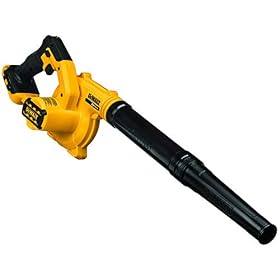
For most suburban lawns, the right leaf blower balances enough airflow for leaves and grass clippings with manageable noise, weight, and runtime. Use this guide to choose between cordless, corded, and gas models without overbuying.
A cordless leaf blower with adjustable power is usually the best fit for a suburban lawn because it provides enough mobility for driveways, sidewalks, patios, and typical lawn cleanup without managing an extension cord. A corded model can be the better value for a small yard near an outdoor outlet, while a gas blower is generally more power than most homeowners need unless the property is large or regularly covered with heavy, wet debris.
What to look for in a suburban-lawn leaf blower
Airflow matters more than air speed alone
Leaf blower specifications usually emphasize two figures:
CFM (cubic feet per minute): How much air the blower moves. Higher airflow is useful for gathering large piles, damp leaves, pine needles, and heavier lawn debris.
MPH or air speed: How fast the air exits the tube. Higher air speed can help loosen stuck leaves from grass, cracks, and landscaping, but it does not necessarily mean the blower moves more material overall.
For routine suburban cleanup, prioritize a model with enough CFM for moving debris efficiently, then look for adjustable speed control so you can reduce power around flower beds, mulch, and gravel. Maximum air speed is less useful if the blower has weak airflow or only operates at full power.
Variable-speed control is worth having
A trigger or dial that lets you adjust power makes a blower easier to use around delicate areas. Lower settings can clear grass clippings from a driveway without scattering them into the street. Higher settings help with wet leaves and larger piles.
A temporary boost button can be useful, but it may use battery power quickly. Treat it as an occasional feature rather than the basis for choosing the entire blower.
Cordless vs. corded for a suburban lawn
Cordless leaf blowers: best for mobility
Cordless models are a strong all-around choice when you need to move between the front yard, backyard, driveway, and patio. They eliminate extension-cord management and are convenient for quick cleanups.
Check these details before buying:
Battery voltage is not a direct measure of runtime or blowing performance. Compare the manufacturer’s stated runtime and the tool’s airflow figures instead.
Battery size affects runtime and weight. A larger battery may run longer but can make a handheld blower heavier.
Runtime depends on power setting. Maximum-power runtime is often much shorter than light-duty runtime.
A battery and charger may be sold separately. Confirm what is included before comparing packages.
Battery availability matters. If you already own compatible tools, staying within that battery platform may reduce the cost of adding a blower.
For an average suburban property, choose a cordless blower with enough runtime to finish your normal cleanup without relying on maximum power continuously. If you routinely clear a large yard or heavy fall leaf coverage, consider a second battery or a higher-capacity battery supported by the manufacturer.
Corded leaf blowers: best for small yards near an outlet
A corded blower can be a practical choice for a small lawn, townhouse lot, or property with an easily accessible outdoor receptacle. It offers continuous operation and avoids battery charging or replacement costs.
The main drawbacks are the extension cord and limited working range. The cord can catch on shrubs, furniture, and landscaping, and it must be kept away from the blower tube and cutting hazards. Use only an outdoor-rated extension cord that matches the manufacturer’s instructions, and protect connections from moisture.
A corded model makes sense when:
The area to clean is close to a suitable outdoor outlet.
You usually work for more than a battery can handle.
You want a lower-maintenance option.
You do not mind managing a cord during cleanup.
Gas leaf blowers: usually unnecessary for typical suburban use
Gas blowers can provide long operating time and strong performance, but they bring fuel, engine maintenance, exhaust, starting procedures, and more noise. Local rules may also restrict gas-powered outdoor equipment.
For most suburban lawns, consider gas only when you regularly handle large volumes of wet debris, have a large property, or need extended operation beyond practical cordless runtime. Follow local regulations and the manufacturer’s safety instructions.
Product prices and availability are accurate as of the date/time indicated and are subject to change. Any price and availability information displayed on Amazon.com at the time of purchase will apply to the purchase of this product.
Match the blower to your yard and cleanup routine
Small lawn or townhouse lot
A compact cordless or corded blower is usually sufficient. Focus on low weight, easy speed control, and convenient storage rather than maximum output. If the yard is close to an outlet, corded operation may be the simplest option.
Medium suburban lawn
A mid-range cordless blower with variable speed is often the most convenient choice. Look for enough airflow to move leaves from grass to a collection area, plus a battery that covers your usual cleanup time.
Large suburban property or heavy seasonal leaf coverage
Prioritize airflow, battery capacity, and comfortable handling. A backpack design may reduce arm fatigue during long sessions, but it is not necessary for short driveway and sidewalk cleanup. If the property regularly has wet, matted leaves, choose a stronger blower or plan to work in smaller sections rather than expecting a compact model to move everything at once.
Product prices and availability are accurate as of the date/time indicated and are subject to change. Any price and availability information displayed on Amazon.com at the time of purchase will apply to the purchase of this product.
Features that affect everyday use
Weight and balance
A blower that is powerful on paper may be uncomfortable if it is front-heavy or difficult to control. Consider the weight with the battery installed, not just the bare-tool weight. A well-balanced handheld design can be more useful than a heavier model with higher maximum output.
Noise
Leaf blowers can be disruptive even when used briefly. Check the manufacturer’s sound information, follow local quiet-hour rules, and wear hearing protection when appropriate. Using a lower power setting whenever possible can reduce disturbance.
Tube design and included nozzles
A narrow nozzle can concentrate airflow for stubborn debris, while a wider opening can help move a broader area. Some blowers include interchangeable tubes or nozzles; others use a fixed design. Make sure the tube can be removed or stored conveniently if space is limited.
Vacuum and mulching functions
A blower-vacuum kit can collect leaves instead of merely moving them. This may be useful for patios, garden beds, and small areas, but vacuuming wet leaves can be slow and may clog the tube or fill the bag quickly. Mulching ratios and impeller materials vary, so check the manufacturer’s specifications if leaf collection is a major reason for buying.
A dedicated blower is usually simpler when your main job is clearing hard surfaces and gathering leaves for pickup.
Product prices and availability are accurate as of the date/time indicated and are subject to change. Any price and availability information displayed on Amazon.com at the time of purchase will apply to the purchase of this product.
How to use a leaf blower efficiently
Start at the outer edge of the area and work debris toward one collection point.
Use a lower setting around mulch, gravel, and flower beds.
Keep the tube angled slightly downward rather than pointing directly into a pile.
Clear leaves from hard surfaces before trying to move a large pile from grass.
Work when leaves are dry when possible; damp debris requires more airflow and may stick to the lawn.
Avoid blowing debris into roads, storm drains, neighboring property, or open windows.
Wear eye protection and hearing protection as appropriate, and keep children and pets away from the work area.
Product prices and availability are accurate as of the date/time indicated and are subject to change. Any price and availability information displayed on Amazon.com at the time of purchase will apply to the purchase of this product.
When to choose a different yard-cleanup tool
A blower is not always the best tool for every cleanup. A rake may be quieter and more controlled around delicate plants. A lawn mower with a collection system may handle dry leaves spread across grass more efficiently, depending on the mower and manufacturer’s instructions. A vacuum kit is useful when you need to collect debris rather than push it into a pile.
Bottom line
For most suburban lawns, choose a cordless leaf blower with adjustable speed, comfortable balance, and enough battery runtime for your normal cleanup. Choose corded power when the yard is small and close to an outlet. Consider a larger cordless, backpack, or gas model only when you regularly deal with extensive coverage, wet debris, or long operating sessions. Compare airflow, usable runtime, included battery equipment, weight, noise, and local rules—not maximum MPH alone.
FAQ
What CFM should a leaf blower have for a suburban lawn?
The right CFM depends on leaf volume, moisture, and yard size. A compact blower can handle grass clippings and light debris, while higher airflow is more useful for large piles, wet leaves, pine needles, and extended cleanup. Compare CFM with weight, runtime, and variable-speed control rather than choosing by the largest number alone.
Is a cordless or corded leaf blower better for a suburban yard?
Cordless is usually more convenient because it can reach the entire property without an extension cord. Corded is often practical for a small yard near an outdoor outlet and provides continuous operation. Choose based on working range, cleanup time, and whether cord management is acceptable.
How long should a cordless leaf blower battery last?
It should last long enough to complete your normal cleanup at the power setting you actually use. Manufacturer runtime figures may vary by speed and battery size, so check the stated runtime conditions and consider a second compatible battery for larger properties.
Is higher MPH or higher CFM more important?
CFM indicates how much air the blower moves and is generally more important for gathering and relocating piles. Air speed helps loosen stubborn debris. A blower with balanced airflow and adjustable power is usually more useful than one with a high MPH figure but limited airflow.