A brief puff of smoke during a cold start may be normal for a two-stroke leaf blower. Persistent or heavy smoke calls for checks of the air filter, fuel mix, and choke before you keep running it.
A brief puff of smoke while a two-stroke leaf blower warms up can be normal, but steady or heavy smoke is a reason to stop and check the machine. Start with the air filter and operating setup, then verify the fuel and oil instructions in your manual. Don’t keep running a blower that smokes heavily, runs poorly, leaks fuel, or smells unusually hot.
Check the simple causes first {#check-simple-causes}
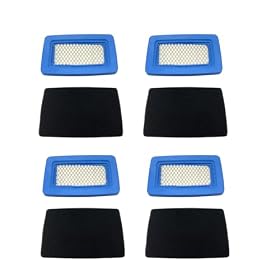
Check the air filter. With the blower off and cool, inspect the filter as described in the manual. A dirty or damaged filter can disrupt the air-fuel mixture. Clean or replace it only as directed; some filters must not be washed or oiled.
Make sure the choke is off after starting. Leaving the choke on after the engine warms can make it run too rich and produce smoke. Use the starting procedure for your specific blower.
Verify the fuel and oil. Two-stroke blowers require either oil mixed into the fuel or a separate oiling system, depending on the model. Check the manual for the required oil type, ratio, and fuel guidance. Don’t guess at a ratio or add extra oil; an incorrect mixture can cause smoke and engine damage. If the fuel is old or you’re unsure what is in the tank, follow the manual’s instructions for draining and refueling safely.
Look for an exhaust restriction. A clogged spark-arrestor screen or muffler can affect how the engine runs. Let the machine cool completely, then inspect or service these parts only as the manufacturer directs.
If the smoke continues after these checks, or the engine stalls, loses power, or is hard to start, stop using it. A service shop can check the carburetor and other engine components; don’t adjust the carburetor unless the manufacturer provides a procedure you can safely follow.
Reduce smoke and neighbor friction {#reduce-smoke-neighbor-friction}
Use the blower outdoors, maintain it as directed, and avoid running it early or late. Keep the nozzle pointed away from people, homes, and open windows. If the blower is producing persistent smoke, postponing the job until it is repaired is better than trying to work around the exhaust.
If the blower is old, repeatedly needs engine repairs, or remains a poor fit for a close-knit neighborhood, consider a cordless model. It eliminates two-stroke exhaust and fuel mixing, though it still makes noise; compare sound information and operating needs where available, and follow local rules.
Product prices and availability are accurate as of the date/time indicated and are subject to change. Any price and availability information displayed on Amazon.com at the time of purchase will apply to the purchase of this product.
Product prices and availability are accurate as of the date/time indicated and are subject to change. Any price and availability information displayed on Amazon.com at the time of purchase will apply to the purchase of this product.
Product prices and availability are accurate as of the date/time indicated and are subject to change. Any price and availability information displayed on Amazon.com at the time of purchase will apply to the purchase of this product.
FAQ
Is smoke from a two-stroke leaf blower normal?
A small amount during startup or warm-up can occur. Smoke that stays heavy or continues after the engine warms should prompt checks of the air filter, choke, and fuel-oil instructions.
Does too much oil in the fuel make a leaf blower smoke?
An incorrect fuel-oil mixture can contribute to smoke and may harm the engine. Use the oil type and mix ratio specified in the blower’s manual rather than adjusting the amount by guesswork.
Should I keep using a leaf blower that is smoking heavily?
No. Turn it off and let it cool before inspecting it. If basic checks do not resolve the smoke, or you notice fuel leaks, unusual heat, or poor running, arrange service.
Will a cordless leaf blower avoid two-stroke smoke?
Yes. A battery-powered blower has no two-stroke exhaust or fuel mixture, but it still produces operating noise. Check its performance and sound information against your yard and neighborhood needs.