A leaf blower with weak airflow usually has a blocked tube or intake, a dirty filter or screen, an air leak, an incorrect setup, a weak battery, or a motor problem. Start with the simple checks below before replacing the blower.
A leaf blower with weak airflow usually has a restriction or air leak rather than a failed motor. Unplug a corded model or remove the battery before inspecting it, then check the filter or intake screen, blower tube, seals, operating setup, and battery or fuel system in that order. If the blower still produces little air after these checks, the motor, impeller, or electrical system may need service or replacement.
1. Clean the filter and intake screen
Fine dust, grass clippings, and leaves can cover the air inlet and reduce the volume of air the blower can move.
Turn the blower off and disconnect its power source.
Inspect the intake grille or screen for packed debris.
Brush away loose material without pushing it farther into the housing.
If the model has an engine air filter, remove and clean or replace it according to the manual.
Replace a paper or foam filter that is damaged, oil-soaked, or permanently clogged.
Do not operate the blower with a required filter removed. On some models, the intake screen is part of the cooling system, so running the tool while it is blocked can also cause overheating.
2. Check the blower tube for a blockage
A partially blocked tube can make the airflow feel weak even when the motor sounds normal. Check the full length of the tube for leaves, wet material, string, or a damaged section that has collapsed inward.
Remove the tube if the manufacturer allows it, and clear it from both ends. Do not use a metal rod or another object that could damage the tube or impeller. Look at the outlet nozzle as well; a small obstruction at the narrow end can noticeably reduce airflow.
Make sure every tube section is fully seated and locked. A tube that is loose, cracked, or installed at an angle can leak air and reduce performance.
Product prices and availability are accurate as of the date/time indicated and are subject to change. Any price and availability information displayed on Amazon.com at the time of purchase will apply to the purchase of this product.
3. Inspect seals and housing for air leaks
Air leaks between the blower housing and tube can reduce the air reaching the outlet. Check for:
Cracked or split tubes
Missing O-rings or gaskets
Loose tube collars
Broken locking tabs
Gaps around a vacuum or blower conversion cover
Damage near the impeller housing
Replace a damaged tube, gasket, or cover rather than sealing a moving or hot area with tape. Use only replacement parts specified for the blower. If the housing is cracked near the impeller, stop using the tool until it has been inspected.
Product prices and availability are accurate as of the date/time indicated and are subject to change. Any price and availability information displayed on Amazon.com at the time of purchase will apply to the purchase of this product.
4. Confirm the operating setup
Some airflow problems are caused by the configuration rather than a failure. Confirm that:
The blower tube and nozzle match the operating mode.
A vacuum or mulching attachment is not still installed when using blower mode.
The vacuum inlet cover is completely closed and latched.
The tube is not partially inserted or cross-threaded.
The variable-speed trigger or control is set high enough for the job.
Turbo or boost mode, if equipped, is being used as directed by the manufacturer.
A narrow nozzle can increase air speed but reduce the apparent volume of air. Conversely, a wider tube may move more air but feel less forceful at the outlet. Compare the blower’s behavior with its normal configuration before assuming that a different nozzle is defective.
Product prices and availability are accurate as of the date/time indicated and are subject to change. Any price and availability information displayed on Amazon.com at the time of purchase will apply to the purchase of this product.
5. Check the bag, drum, or vacuum attachment
If the tool is being used as a blower-vacuum or mulcher, a full collection bag or blocked vacuum passage can restrict airflow. Empty the bag or drum and inspect the intake passage for damp leaves and compacted debris.
A wet or clogged mulching bag can also restrict exhaust airflow. Clean or replace the bag if it is coated with fine dust or has lost its ability to pass air. Check the impeller area only after disconnecting the power source, and follow the manual before removing any guard.
Never reach into the impeller housing while the blower is connected to power, even if the motor is not running.
Product prices and availability are accurate as of the date/time indicated and are subject to change. Any price and availability information displayed on Amazon.com at the time of purchase will apply to the purchase of this product.
6. Check the battery, cord, fuel, or engine
If the air path is clear, the power source may be limiting motor speed.
Cordless blowers
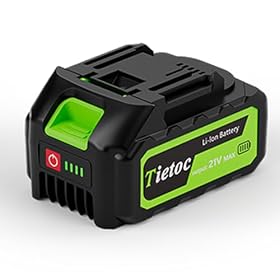
A nearly empty, overheated, cold, damaged, or aging battery may allow the blower to run without reaching full speed. Let a hot battery and blower cool, then install a fully charged battery that is approved for the model. Clean and inspect the contacts, but do not bend them or use a damaged pack.
If a second compatible battery produces normal speed, the original battery may need replacement. If multiple approved batteries produce weak airflow, the problem is more likely in the blower.
Corded blowers
Use the extension cord type and length specified in the manual. An undersized or excessively long cord can cause voltage drop and prevent the motor from reaching full speed. Inspect the plug, cord, strain relief, and receptacle for heat damage or looseness.
Do not continue using a cord, plug, or outlet that is hot, discolored, cracked, or sparking. Have electrical problems evaluated by a qualified professional.
Gas blowers
Use the fuel type and fuel age recommended by the manufacturer. A dirty air filter, stale fuel, restricted fuel flow, or engine that is not reaching normal speed can reduce airflow. Do not adjust the carburetor or bypass safety controls unless the manufacturer specifically permits it and you understand the procedure. Persistent low engine speed, unusual smoke, or fuel leaks calls for service.
7. Inspect the impeller and motor last
If the blower has a clear intake, unobstructed tube, intact seals, correct setup, and a reliable power source but still moves little air, inspect for signs of a damaged impeller or motor problem:
Rattling, grinding, or scraping sounds
Strong vibration
A burning smell
Intermittent operation
A motor that runs but never reaches normal speed
Repeated overload or thermal shutoff
Do not open the motor housing or bypass a thermal protector. A damaged impeller can be unbalanced and unsafe at high speed. A service center or qualified repair technician should inspect internal electrical and rotating components.
When to replace a part or the blower
A replacement tube, intake screen, filter, gasket, bag, or battery is reasonable when that specific component is visibly damaged or fails the checks above. Match replacement parts by the exact model and configuration; similar-looking tubes and batteries are not necessarily compatible.
Replacing the entire blower may make more sense when the motor or impeller has failed, the housing is cracked, repair parts are unavailable, or the repair cost approaches the cost of a suitable replacement. Choose the replacement by the airflow and power requirements of your yard, not just the advertised air-speed number. CFM indicates the volume of air moved, while MPH indicates air speed; both can affect how well the tool handles wet leaves, heavy debris, and large areas.
Stop using the blower immediately if it sparks, smells electrically burnt, overheats repeatedly, has a damaged power cord or battery, or makes contact between the impeller and housing. Follow the manufacturer’s service instructions and use a qualified professional for repairs involving mains electricity, fuel systems, or internal motor components.
FAQ
Why is my leaf blower running but barely blowing air?
The most common causes are a blocked intake screen or tube, a dirty engine filter, a loose or cracked tube, an incorrectly installed attachment, a full vacuum bag, or a weak battery. Check those items before suspecting the motor.
Can a weak battery reduce cordless leaf blower airflow?
Yes. A low, overheated, cold, damaged, or aging battery may let the blower run below full speed. Try a fully charged, approved battery after allowing the tool and battery to reach a normal temperature.
Should I use a smaller nozzle to increase leaf blower power?
A smaller nozzle can increase air speed at the outlet, but it may reduce the volume of air and is not a fix for a blockage or failing motor. Use only nozzles approved for the blower and compare performance with the standard setup.
When should I replace a leaf blower instead of repairing it?
Replacement is often more practical when the motor or impeller has failed, the housing is cracked, compatible repair parts are unavailable, or the repair cost is close to that of a suitable new blower.