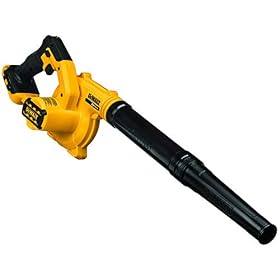
Use a leaf blower for leaves and larger debris—not fine garage dust or workshop sawdust. For dusty cleanup, capture the material with a suitable vacuum or dust-collection system instead.
A leaf blower can push leaves and larger debris out of a garage, but it is usually the wrong tool for fine dust and sawdust: it can send particles into the air, where they may be inhaled or settle elsewhere. For dust from sanding or cutting, use an appropriate dust extractor or vacuum; reserve a blower for coarse debris and only when you can direct it safely outdoors.
Is a leaf blower right for garage dust and sawdust?
Use a blower for dry leaves, grass clippings, and larger crumbs or debris on a garage floor. Avoid using it to clear fine household dust, sanding dust, or piles of fine sawdust. High-speed airflow can spread those particles through the garage and into the home rather than collecting them.
For workshop dust, use dust collection at the tool when possible, or a vacuum and filter system suitable for the material. Follow the tool and filter manufacturers’ guidance. If the dust may contain hazardous substances—such as from treated or painted material—check the applicable safety instructions before cleanup.
Wood dust is also combustible. Keep it away from flames, sparks, and hot equipment, and do not use a blower to stir up a dust cloud in an enclosed space.
How to use a blower for coarse garage debris
If the material is too large or heavy to become airborne easily, a blower may be useful for moving it toward an open garage door.
Move vehicles and loose items out of the airflow path, and open the door fully.
Start at the lowest practical speed and direct debris out of the garage—not toward the house or into the air above the work area.
Stop if fine dust begins to billow. Collect it with a suitable vacuum or dust-collection system instead.
Never run a gas-powered blower indoors or in an enclosed garage. Follow the blower’s manual, including any limits on use and recommended protective equipment.
Product prices and availability are accurate as of the date/time indicated and are subject to change. Any price and availability information displayed on Amazon.com at the time of purchase will apply to the purchase of this product.
What to look for in a blower
For occasional garage-floor cleanup, prioritize variable speed and easy control over maximum power. A lower setting can help move leaves and coarse debris without sending everything flying. A trigger lock or cruise-control feature may make longer cleanup more comfortable, but it is not a substitute for directing airflow carefully.
CFM describes how much air a blower moves, while air speed describes how fast that air exits. More airflow is not automatically better in a garage: excessive output can scatter debris or lift dust. Choose a blower with controllable output and enough power for the coarse debris you actually need to move. If you mainly need to collect fine dust, buy a suitable dust-collection tool rather than a more powerful leaf blower.
A cordless model avoids managing a cord around vehicles and equipment. A corded electric model can be practical near an outlet, provided the cord can be routed safely and kept out of the airflow and work area. For either type, check that the included tube and controls suit the space; do not assume an attachment makes a blower safe for fine-dust cleanup.
Product prices and availability are accurate as of the date/time indicated and are subject to change. Any price and availability information displayed on Amazon.com at the time of purchase will apply to the purchase of this product.
When to choose a different tool
Use a suitable vacuum or dust extractor for fine sawdust, sanding residue, and settled garage dust. For repeated woodworking, source capture at the tool is generally more effective than cleaning up airborne dust afterward. If dust is hazardous or you are unsure what a filter can capture, consult the material’s safety information and the equipment manufacturer.
A leaf blower is a reasonable choice only when the job is moving coarse debris, you can direct it outside, and you can avoid creating dust clouds. If those conditions do not apply, use a collection method instead.
FAQ
Can I use a leaf blower to clean sawdust out of my garage?
Use one only for coarse debris that can be directed outdoors. A blower can make fine sawdust airborne, so collect fine dust with a suitable vacuum or dust extractor instead.
What blower setting should I use in a garage?
Start at the lowest practical setting and increase it only as needed for leaves or other coarse debris. Stop if dust begins to billow.
Is a gas leaf blower safe to use in a garage?
No. Do not run a gas-powered blower indoors or in an enclosed garage. Follow the manufacturer's instructions and use powered equipment only in appropriate conditions.